

No gaming outfit has a more profound legacy in creating narratives about challenging divine entities than Square Enix. Whether literally or metaphorically, from Final Fantasy Legend/SaGa and Star Ocean to Xenogears and various Final Fantasy installments, stories where heroes stand up to a ruthless, manipulative creator form the backbone of many Japanese RPGs. Yet, another longstanding Square Enix series, running as long as its counterparts, takes a different route, celebrating the positive aspects of religion and mythology. These games focus on unity, the healing power of nature, and the noble pride from believing in a kind higher power. No, not Dragon Quest; although you save in churches there, you also frequent pubs and gamble like a weary office worker. I’m referring to Mana.
Order Visions of Mana: Amazon | Best Buy | Humble Bundle
Similar to many Final Fantasy titles, each Mana game exists within its unique timeline, yet they share recurring themes, characters, and elements. The Tree of Mana stands as the most significant symbol, serving as the heart of these games’ worlds, ecosystems, and cultures. It provides life to all but remains vulnerable—a limited resource needing protection and care through generations. The Goddess of Mana represents the Tree, overseeing life’s energy and communicating based on traditions or needs. Finally, the Sword of Mana aids heroes in their quests. Typically, each Mana game presents a threat to the Tree or the Goddess, with the adventure centered on fighting the good fight, a notion never truly challenged. Until now.
A once-vibrant series, grown sickly
Visions of Mana marks the fifth "mainline" entry in the series, the first since Dawn of Mana for the PlayStation 2 in 2006. Square Enix has grappled with the series since, often experimenting with the IP through remakes and ill-fated mobile games. Visions represents a bold move at a challenging time for significant endeavors with any IP, especially smaller ones. Yet, here it is, aiming to roll out the red carpet for a series that hasn’t received such attention since before wide-resolution video games. While there’s much at stake regarding sales and financials, perhaps Mana itself has nothing to lose, given its rocky history and fans yearning for another chance.
Screenshot: Square Enix
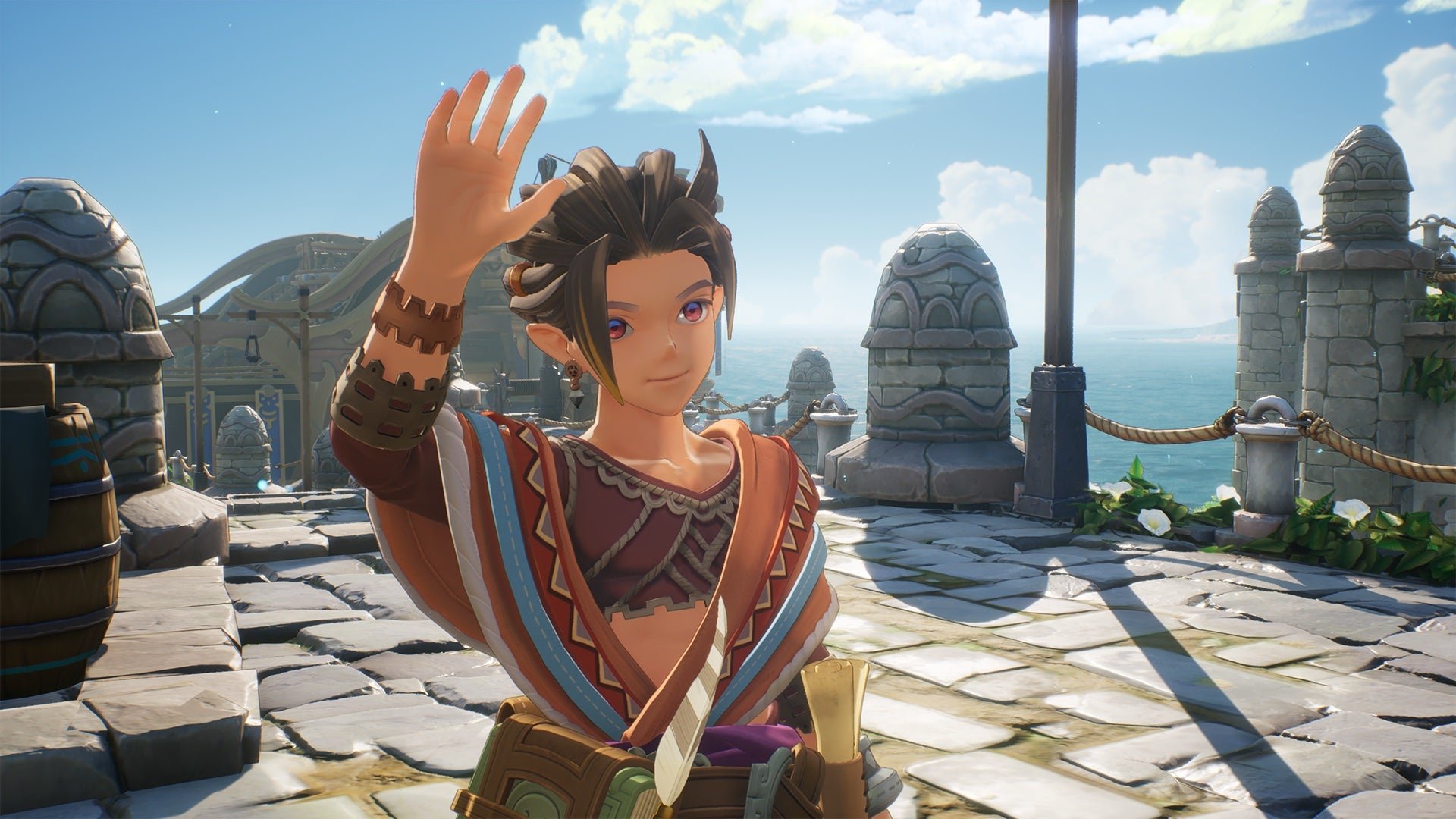
At the outset, everything appears normal. The world is teeming with vibrant life, its landscapes adorned with trees and quirky creatures that you almost regret fighting. Visions’ natural beauty and open spaces are enhanced by a swelling soundtrack exuding joy and happiness, bringing to life what children playing Super Famicom RPGs might have envisioned when scrolling through colorful tiles in Secret of Mana. Your characters, a diverse group of aspiring heroes from across the globe, are all smiles as they traverse the environment or ride magnificent beasts, collecting flowers and Grizzly Syrup to trade for rare items with bears speaking like human infants. The atmosphere is simply majestic. Yet, something feels amiss, something only you, the player, can sense. Longtime Mana fans will feel it in their bones.
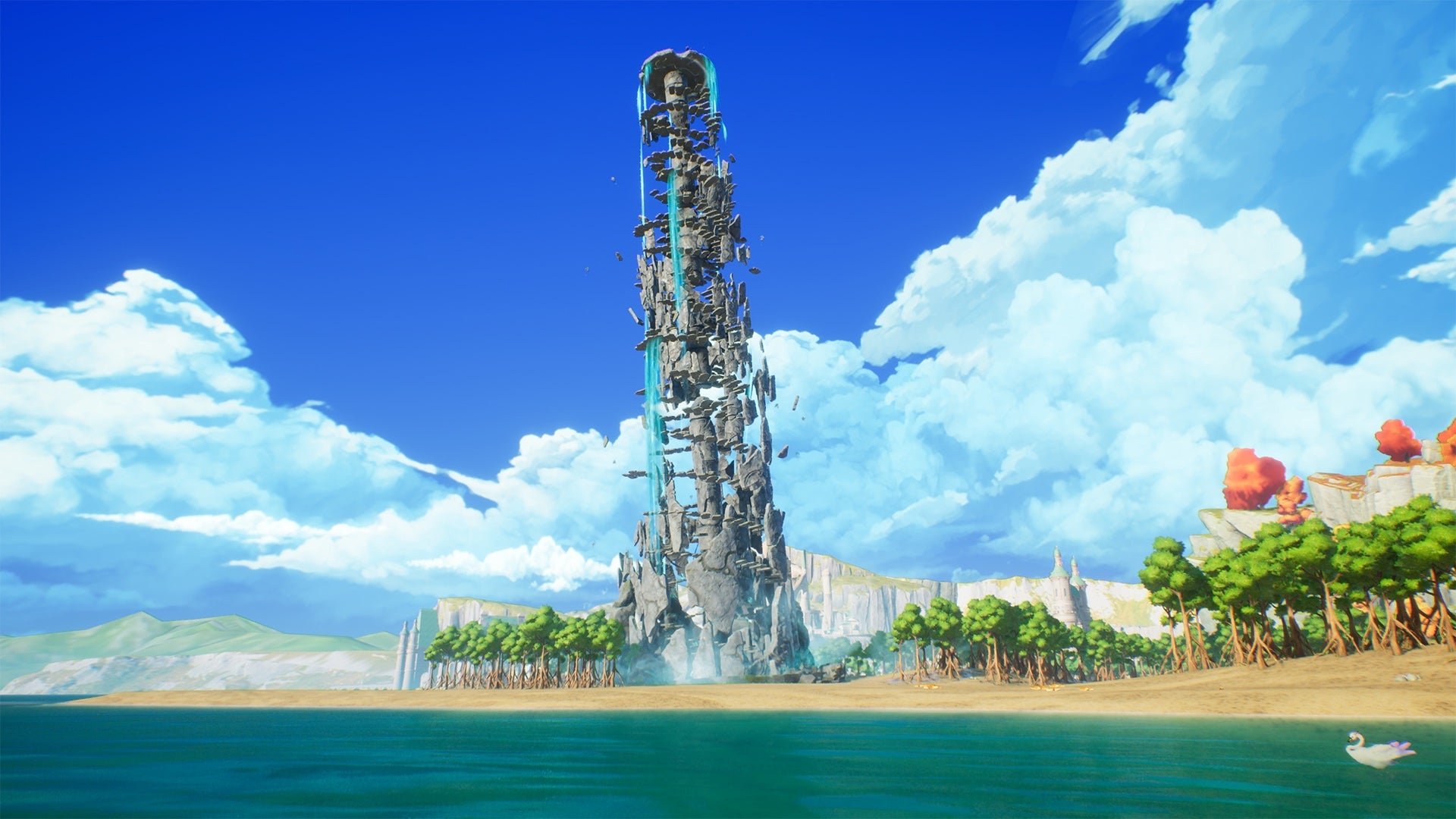
This world, as before, is supported by the Tree of Mana, a stunning natural landmark towering over everything else in sight, from volcanoes to man-made marvels. Mana flows through all living things, ensuring people remain healthy and protected. Every four years, communities gather to celebrate, hosting a festival in their unique cultural traditions to invite their local Elemental deity to send a Fairy and declare one resident an “Alm.” These Alms join forces with a chosen Soul Guard (essentially a ceremonial bodyguard) and embark on a pilgrimage to the Tree of Mana, where their souls are consumed to sustain Mana until the next heroes are chosen. Surprisingly, human sacrifice is now part of the equation!
A cheery surface with horrors underneath
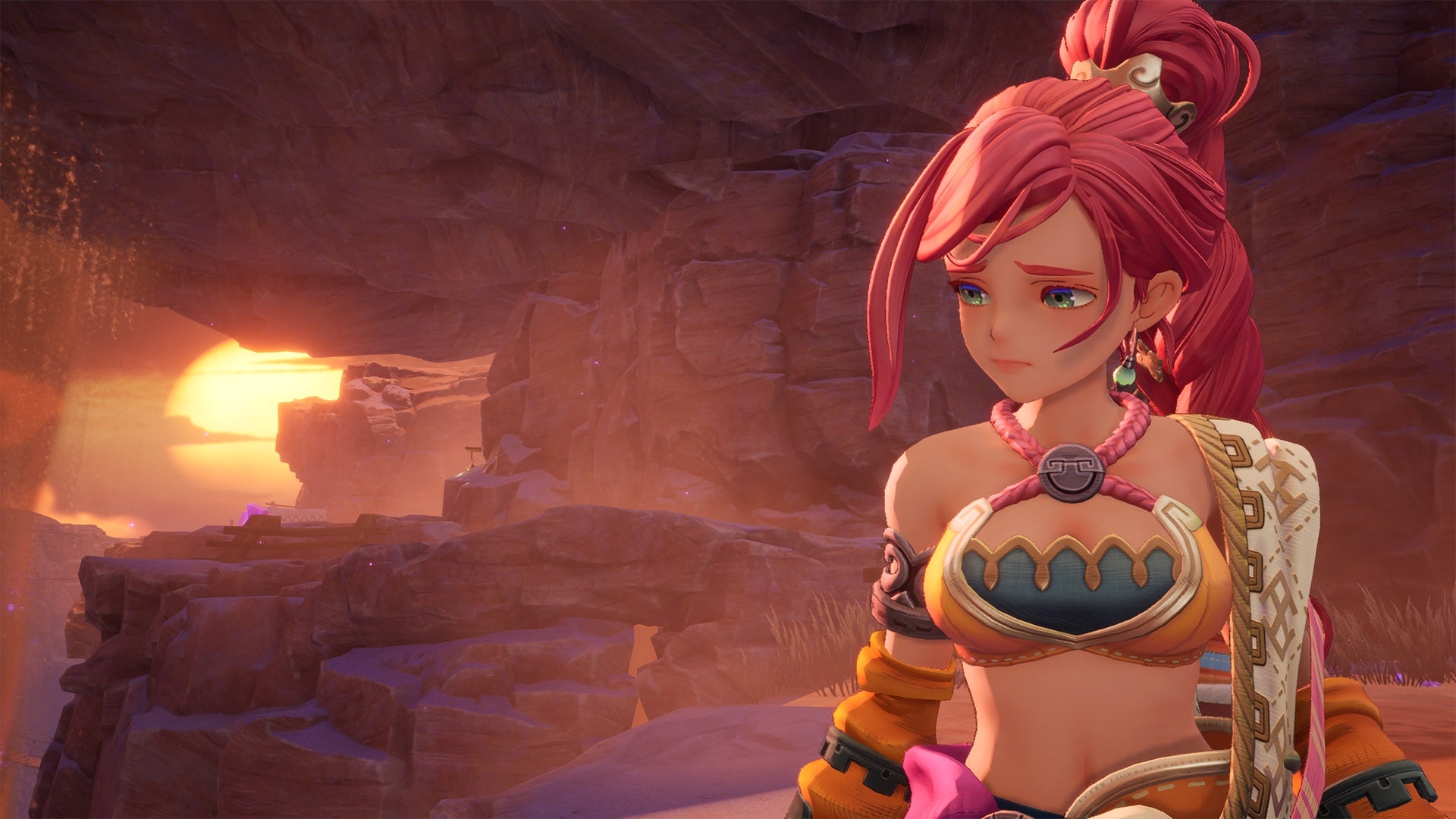
These aren’t misguided actions of a confused populace. In Visions of Mana, the prophecies are legitimate. Human sacrifices are essential to maintain normalcy and comfort. This isn’t just tradition or culture deteriorating over time, or misguided human dedication. The Elementals are tangible; they mingle and celebrate with locals and support the Alms on their quests. Everyone is friendly with each other, sharing a common understanding. They’ve witnessed the chaos when an Alm fails to reach the Tree. Disaster ensues, and everything collapses. The world functions this way, and people are content to follow the rules. Alms are greatly respected, and being chosen is an honor. But cracks are beginning to show. Not everyone is pleased with sending their loved ones away forever, and the Alms don’t always smile throughout the journey. However, these sentiments of doubt or resistance remain on the fringes, fleeting moments of sadness or fear resolved by pep talks and hugs.
Visions isn’t Final Fantasy X. It’s not a journey where heroes are uncomfortable with the fine print of their mission. And if they are, that discomfort is quickly set aside or comforted away. There are rare instances of pushback, with two pivotal moments in the story. But they come with dire, immediate consequences. The pain stems not from dread, but from straying off the path. Val, the protagonist and Soul Guard of the current Alm convoy, learns this the hard way, in one of Visions’ rare moments of pushback from the heroes themselves. Yet, even after a devastating loss, the team rallies around Val, refocusing on the original goal: leading his friends to sacrifice themselves for the world’s happiness for a few more years.
Screenshot: Square Enix
Initially, I was unsure how to process all this. I anticipated conflict between the heroes and the sacrificial systems driving the narrative, similar to Final Fantasy X or I Am Setsuna. But it wasn’t, and I was amazed at the characters’ and story’s cooperation. I struggled with my feelings until the credits rolled, and it dawned on me what was truly happening. Perhaps it sounds odd, but it felt like there was another layer to Visions’ story, an underlying meta-narrative that only hit me near the end.
This world is sick, as is Mana itself. The series has been battling for years to reclaim its footing and true identity amidst a sea of failed experiments and misguided gacha mining attempts. Visions of Mana is intended to be its grand comeback, yet the premise feels unsettling. When did the Tree of Mana start consuming souls, and why are we celebrating this? Mana games are renowned for their brightness and hope, a nearly sing-songy vibe fueling nostalgia for the old school among longtime series fans. Visions of Mana is brimming with this, from its romantic, adventurous spirit to a voice cast full of eccentric accents and exaggerated performances. Some performances pay homage to cartoon classics, like Claude Pertwee’s work at Hanna-Barbera or Ed Wynn’s Mad Hatter from Alice in Wonderland.
Order Visions of Mana: Amazon | Best Buy | Humble Bundle
Multiplatform
Visions of Mana
Back of the box quote
”Everything is great! The Tree of Mana is topped off and there are definitely no problems!”
Type of game
Grand, single-player action-RPG
Liked
A solid class system, intriguing combat, storytelling that seems off until it hits you like a truck, runs great in performance mode (PS5)!
Disliked
The English dub can be grating, towns turn double jump and air-dash off for some reason, mid side quests
Developer
Ouka Studios, Square Enix
Platforms
PS4/5, Xbox Series X|S, PC
Release Date
August 29, 2026
Played
Around 45 hours, after finishing the story and giving up on being thorough with super-boring side quests.
All this sweetness is interspersed with shocking events, twists that would be momentum-crushing in other contemporary RPGs like Final Fantasy XVI. However, here, the heroes swiftly move forward, finding ways to celebrate fallen comrades on the journey. The narrative snaps back into place like a rubber band, flexing but not breaking. Events would unfold, leaving me stunned, only for Val to gleefully exclaim “grrrrrizzly!” at the next floating syrup dollop. By the end, my wife was utterly fed up with the syrup!
Clunkiness gives way to satisfaction
Initially perplexing, it feels as if the tone is undecided, or the voice direction missed the mark entirely. Everything seems normal, yet a dark undercurrent surfaces, feeling out of place in Mana. And the game doesn’t acknowledge it! My confusion deepened as I grappled with this thematic oddity and the other game aspects, like its action-RPG combat and extensive class system.
Amid it all, I occasionally found it challenging to gauge my enjoyment level. Visions of Mana possesses a unique cadence to its action that might not immediately appeal to players forming their first impressions. I've seen it described as "clunky," and I understand the sentiment. It’s a slower game, and its combat presentation initially makes it hard to determine if it clicks satisfyingly, if it has any real appeal.
Screenshot: Square Enix
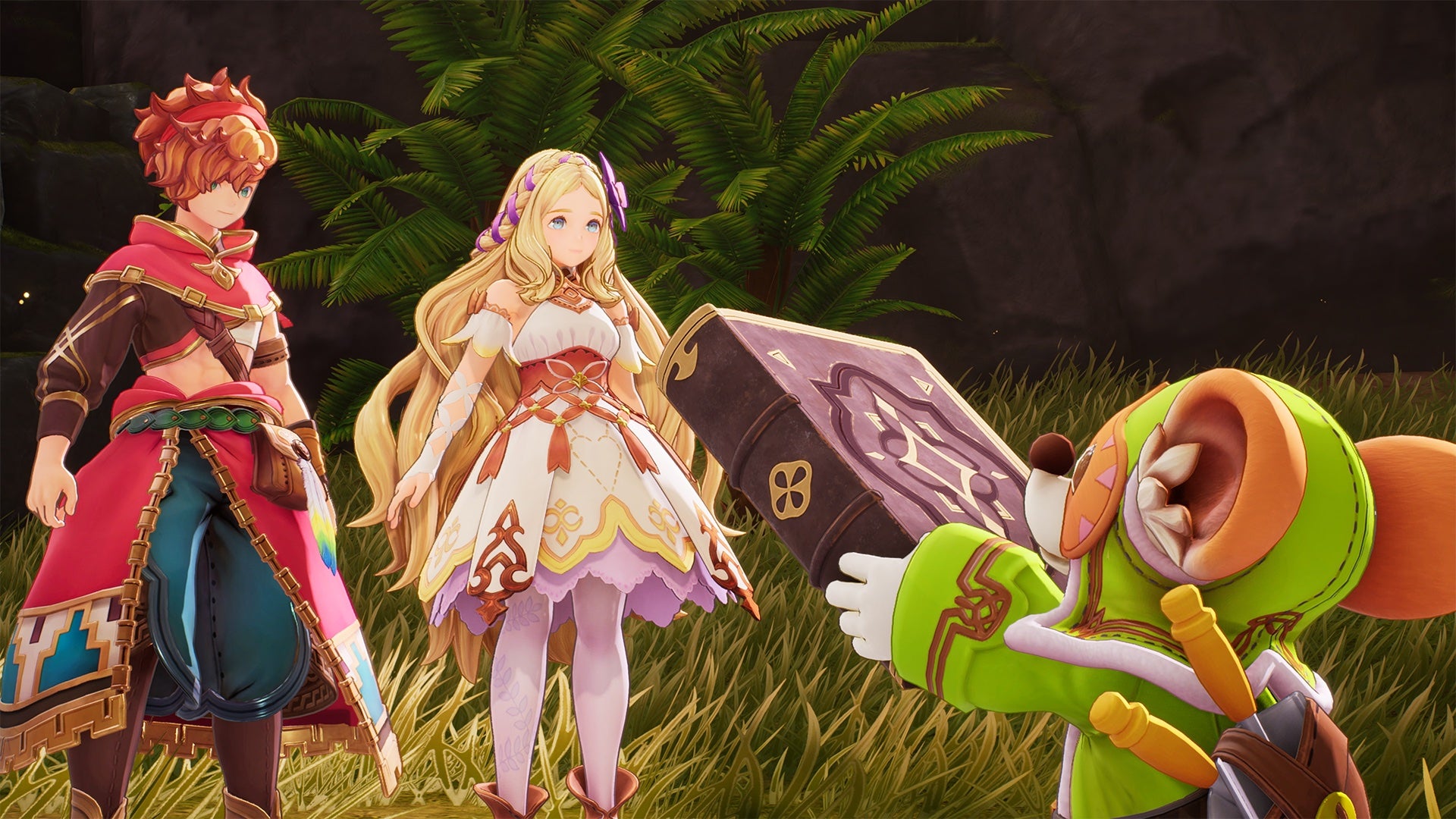
At PAX East earlier this year, I joined colleagues in playing a Visions of Mana demo. While most followed the demo’s path, I explored open spaces, experimenting with the controls and testing my limits. The early trailers showcased vertical action, a nod to fans of character action games like Devil May Cry and Bayonetta. Visions employs some of that genre's language, such as encouraging staggered button presses for different moves, rather than just mashing. There's more beneath the surface than meets the eye, but making it work in a standard fight is challenging.
I’m fond of swords, and Visions’ class system grants Val a large sword. Each character has three weapon choices (some classes share weapons but offer different abilities and stats). When I see a big sword that’s difficult to swing satisfyingly in a video game sense, I choose it. That choice was key to discovering the game’s appeal, as careful button use for slow, heavy swings was crucial for dealing meaningful damage!
Navigating the game’s rules and limits (like jump or air dash limits before touching down) to extend combos became a focus throughout the adventure. Partly because the class system is intriguingly cumulative, offering universal combat logic alongside class-specific abilities. It took nearly the entire game to fully access the greatsword’s buttons! Yet, figuring out my reach, effective aiming, coordinating with the mostly independent CPU team, and more was part of unlocking how a "clunky" start could evolve into something more rewarding over time.
Saving the world, saving the series
Ultimately, the story became rewarding, as it centers on a partnership between you and nature to cleanse the source of avoidable pain. It’s a classical, nostalgic RPG with whimsical voices and charming faces aplenty. But it’s unwell, enveloped in darkness hindering its true essence. The Tree of Mana isn’t just being difficult for no reason, and while the Alms perform their duties with sincerity, you know it shouldn’t have to be this way. By the end, it almost felt like the conflict I anticipated was set aside for something more mundane and trope-friendly. Any concerns about the Alms’ plight vanish when a big, evil entity threatens the world. The vibe seemed to be, “Welp, I guess we’re doing this now.”
But then, unexpected events I can’t spoil occurred (I may have already said too much!), and in that post-credits clarity, the pieces fell into place. I realized I had helped heal Visions of Mana from its ailment. Things were amiss, the world was dysfunctional. The people striving to make life worthwhile couldn’t see it. Even when they felt it, even when Val momentarily pleaded to be “the villain” under grief’s weight, the world stuck to its guns, refusing to acknowledge the issue. But in those final moments, as my confusion nearly turned to tears with the world restored, I realized I had helped set Mana back on course. Just as many hope Visions of Mana itself does. How can you score that? I’m grateful I don’t have to this time.
Order Visions of Mana: Amazon | Best Buy | Humble Bundle