


Undoubtedly, Sonic X Shadow Generations will be described as a “love letter” or “tribute” to Shadow the Hedgehog, Sonic’s enigmatic rival who first appeared in 2001’s Sonic Adventure 2. However, for someone like me, who regarded the black-and-red hedgehog as the emotional core of the series, it feels more akin to an apology. Over the years, Sega hasn't treated Shadow with much kindness. Once a complex and playable staple in the series, the Ultimate Lifeform has been reduced to a flanderized background character, mostly defined by his dislike for others and his desire to outdo the blue blur in any competition. Shadow Generations, included with the full remaster of 2011’s Sonic Generations, provides a delightful course correction for Sega's neglect of Shadow, reminding fans of the deep emotional storytelling he once brought to the series. Remarkably, it’s also an exhilarating experience to play, arguably surpassing any Sonic game in recent memory. Indeed, Sega is offering one of the finest Sonic games it has ever produced as part of a remaster package.
Screenshot: Sega / Kotaku
Shadow Generations unfolds alongside the original Generations narrative, revealing what Shadow was doing while Sonic relived his past adventures. Sonic Generations, initially launched in 2011, featured the speedster dashing through revamped versions of classic levels, updated for both the 2D side-scrolling style of earlier games and the 3D platforming dynamics of modern times. Shadow Generations applies the same concept to Shadow. Given Shadow's more tragic backstory compared to Sonic's, revisiting old levels and games involves reopening some old wounds thought to be healed, while cleverly weaving his journey into the 13-year-old story of Sonic Generations. However, Shadow has been sidelined for so long that there aren't as many levels to revisit. Consequently, Shadow Generations breaks the conventional rules of revisiting one's past, instead drawing from future games like Sonic Forces and Sonic Frontiers (in which Shadow was notably absent). Despite having to stretch its premise, it succeeds because Shadow Generations is arguably the most refined and rewarding Sonic game in recent times.
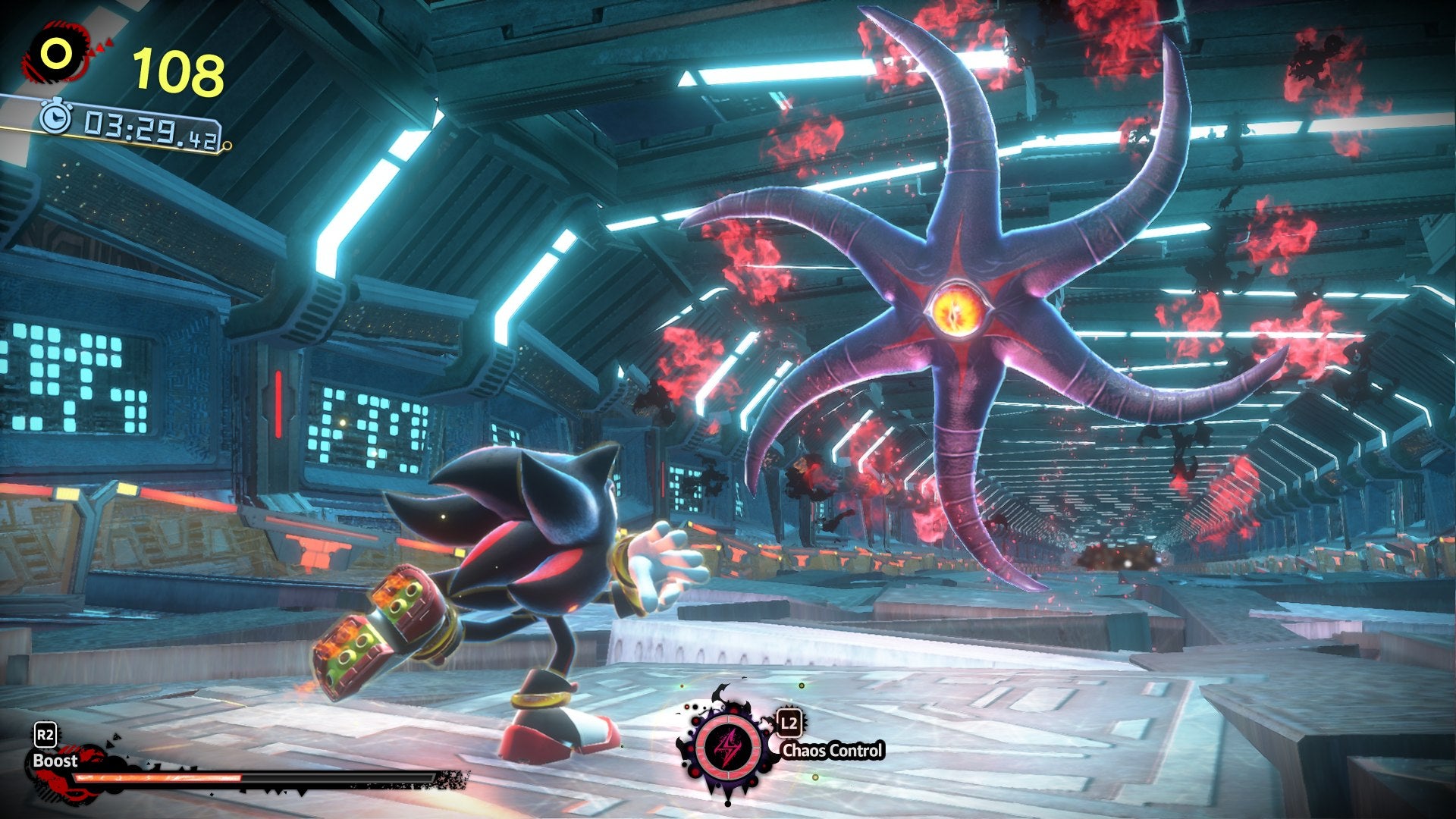
As I skated through Shadow’s history, I was continually amazed at how Sega transformed decades-old levels into something fresh and exhilarating, combining the fast-paced running and jumping that fans have come to expect with numerous action-packed set pieces that kept levels I had traversed hundreds of times growing up feeling new. Despite his speed, Shadow is controlled with a precision that makes each level feel like a thrilling roller coaster ride, with various paths to explore, collectibles to discover, and stunts to perform as you race towards a goal ring or battle an old adversary.
Screenshot: Sega / Kotaku
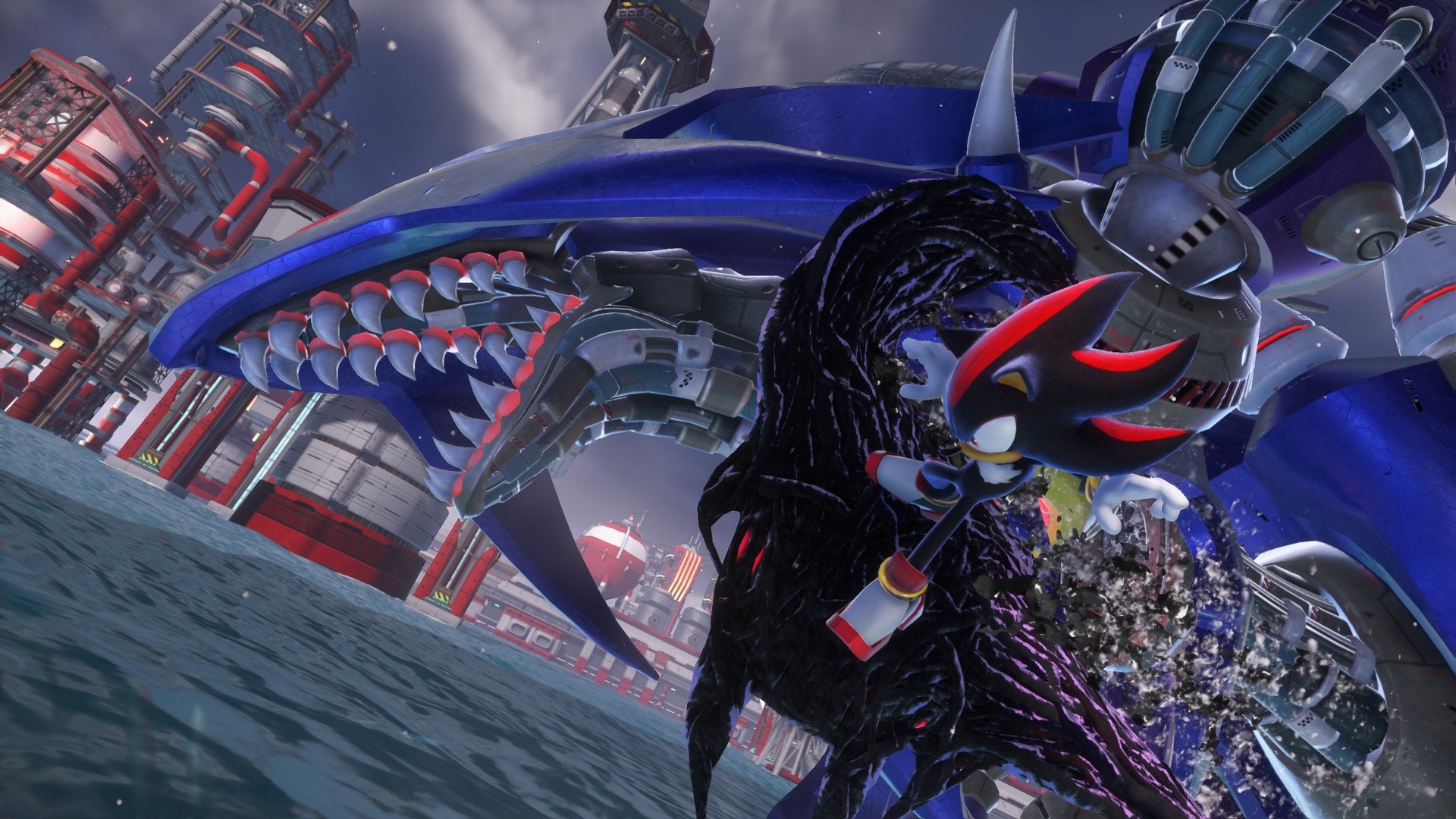
With a relatively brief campaign of six stages, each featuring two levels, Shadow Generations successfully reinterprets old ideas and introduces new ones, without overstaying its welcome. Shadow’s past returns to haunt him in the form of lost friends and foes, including his alien creator Black Doom from Shadow’s self-titled game. Engaging with the extraterrestrial race known as the Black Arms once more allows Shadow to explore his inner alien, gaining new abilities that fundamentally change his navigation through what could otherwise be a typical Sonic level.
Shadow now has the ability to transform into a squid-like entity that can traverse corrupted terrain like a Splatoon character, or summon an alien to surf across water. Shadow even grows massive, sludge-like wings that enable flight over gaps or even entire challenging sections of levels. This transformation is so significant that Shadow Generations offers two high score counters based on whether you utilize them or not. These abilities can sometimes be temperamental, especially the squid transformation, but they are thoughtfully integrated into old levels to refresh them, while also providing tools for navigating the game’s White Space hub world. Sonic Generations uses this void-like world as a mostly uneventful sidescroller between different levels. In contrast, Shadow Generations features a decently sized open-zone area where you can freely roam, hunt for collectibles, reunite with old friends, and access new levels.
Multiplatform
Sonic X Shadow Generations
BACK-OF-THE-BOX QUOTE
“It’s a date to die for.”
TYPE OF GAME
Remaster of Sonic Generations with a new campaign starring Shadow the Hedgehog.
LIKED
The tightest Sonic platforming in a hot minute, gives Shadow his due.
DISLIKED
Shadow’s new abilities can vary from fun to frustrating, the comparison between games is not flattering for Sonic Generations.
DEVELOPER
Sonic Team
PLATFORMS
PC, PlayStation 4, PlayStation 5 (played on), Switch, Xbox Series X/S, Xbox One.
RELEASE DATE
October 25, 2026
PLAYED
4 hours for the campaign, 22 hours for a completionist run.
If the stages alone weren't enough to make me appreciate how enjoyable Shadow Generations felt to play, the White Space’s open world solidified my view that Sega truly excelled with traversal this time. The zone is filled with rings to collect, bumpers that send you flying across the world, and collectible art, background music, and lore drops all tied to Shadow’s history. Essentially, Shadow Generations serves as a museum for its antihero. Although I spent around four hours playing through its story, I invested over 20 hours exploring the White Space and tackling remixed challenge levels to complete the archive of Shadow’s life. I wouldn’t have done so if Shadow Generations hadn’t perfected its movement, offered intriguing challenges, and made the most of its open world. As I searched for the final chests filled with concept art and songs (some of which I’ve repeatedly listened to for the past 20 years), I lost track of time because it was simply enjoyable to run around, grind on rails, and fly over the world trying to complete my collection.
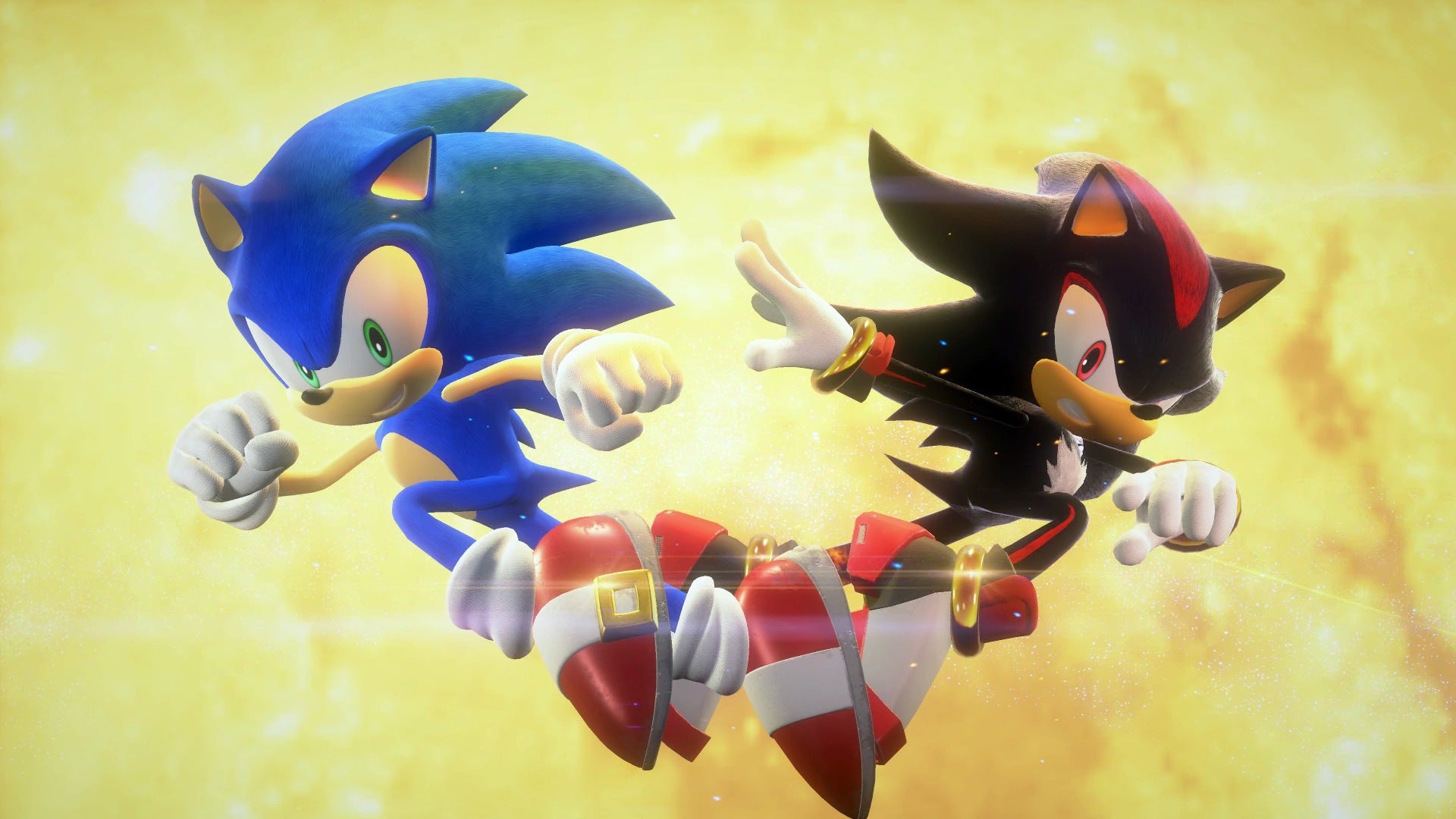
If there’s a downside to just how satisfying it feels to play Shadow Generations, it’s that the direct comparison with Sonic Generations is deeply, deeply unflattering for the earlier game. Much has changed since the original’s release, and more recent titles like Forces and Frontiers have refined Sonic’s speed and control to achieve what Shadow Generations accomplishes. Consequently, Sonic Generations doesn’t hold up as well, feeling like a relic of its time. Sonic’s movements are a bit clumsy, steering feels less precise, and some of the remixed levels lack intentionality. It’s still an enjoyable tribute to the blue hero’s past, but a new Generations game incorporating all the modern elements of Shadow’s would benefit Sonic immensely.
Screenshot: Sega / Kotaku
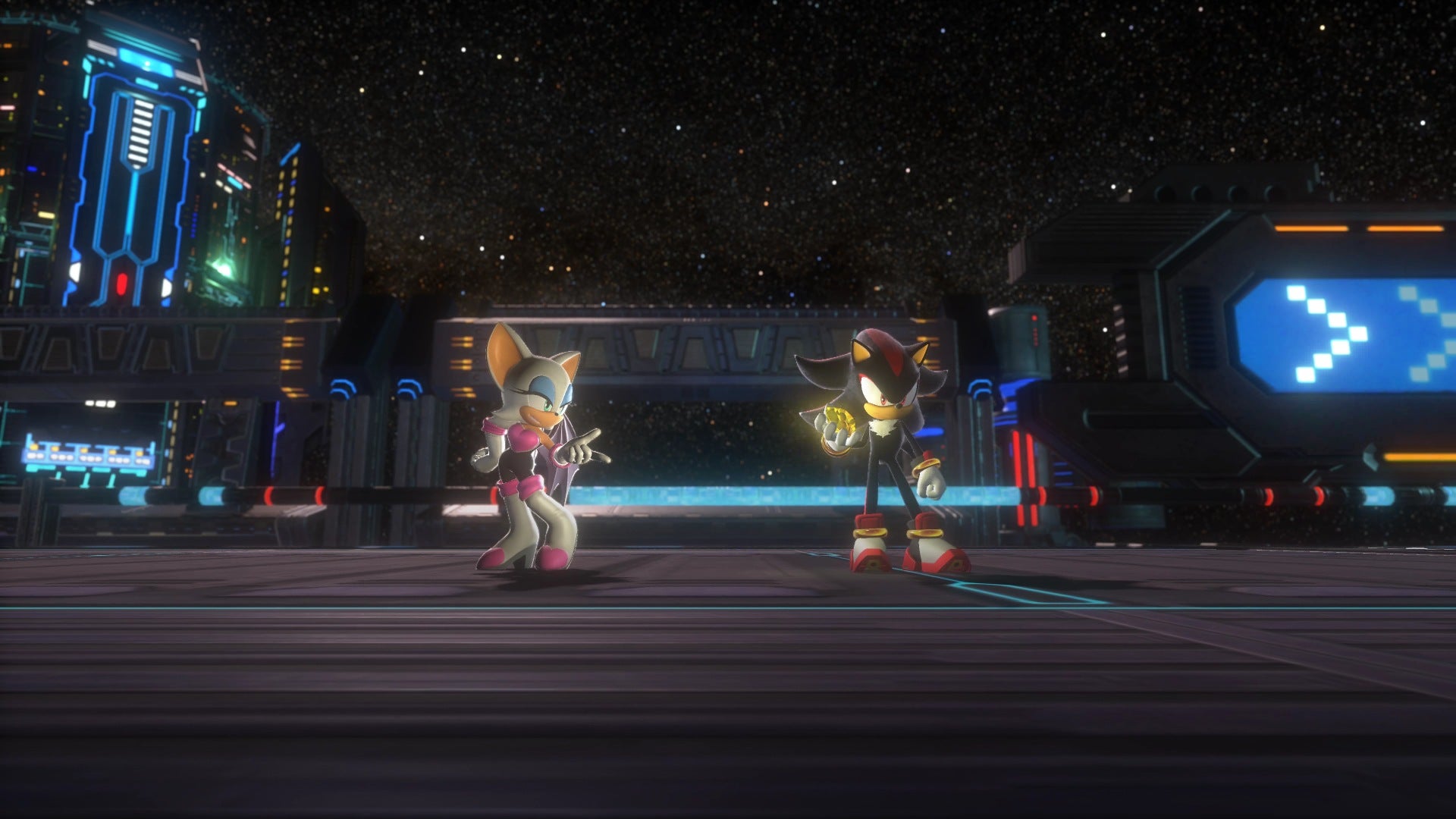
As delightful as it is to revisit old concept art, listen to Shadow’s edgy, dramatic rock themes from early 2000s games, and experience levels I played repeatedly as a child, Shadow Generations leaves a bittersweet taste. Looking at the release dates of the games it draws from, one realizes how many years were lost with Shadow as a central figure in the franchise in pursuit of something more streamlined and focused almost exclusively on Sonic. Sega has made several mistakes with the franchise, like smoothing away its AMV-bait edges in favor of a more brand-safe image, and Shadow was one of the biggest casualties of that shift. Sega even attempted to erase that past by delisting games from that era when they received critical disapproval.
I hope that Sega’s reflection on what Shadow has lost over the past 20 years will encourage the company to consider what it can reclaim. There is no better moment to realize this than during the Year of Shadow, just as a new generation of Sonic fans is about to learn all about him when Sonic the Hedgehog 3 debuts in December. Sometimes, brand synergy leads to a genuine celebration of something, and in the case of Shadow Generations, it’s long overdue.
.