


The 2015 game Life Is Strange introduced us to Max Caulfield, a high-schooler with supernatural abilities, but its impact went beyond her youthful setting at Blackwell Academy. For many players, Life Is Strange touched the parts of us that remember the raw intensity of teenage emotions and the way a perfect indie pop song can make your heart ache. Now, Max returns, a bit older and changed in Life Is Strange: Double Exposure. While some original fans might be upset with how time has altered Max, this sequel provides a meaningful exploration of the challenges and pain that accompany personal growth.
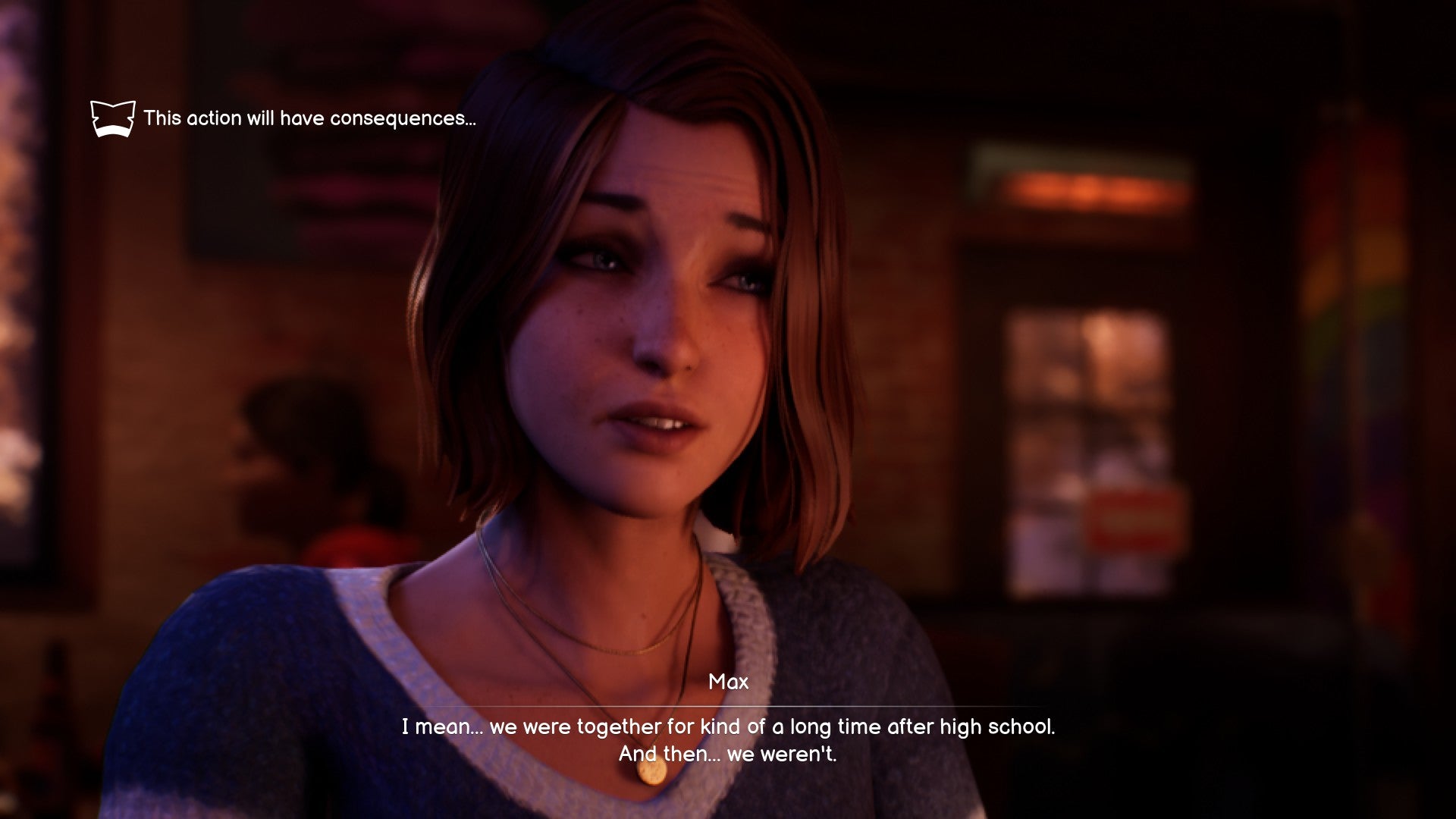
We reunite with Max in her late 20s, now a photography teacher at Caledon University, a prestigious liberal arts college in Vermont. Players will notice that regardless of past choices, Max is not with Chloe Price, her close friend or potential romantic partner from the first game. As someone who chose to save Chloe in the original, I understand the sadness of seeing them apart. However, some fans express anger, viewing it as a betrayal. If you hold this perspective, the game may not change your mind.
Reflections on the past
It's important to remember that art isn't about fulfilling our desires like a menu at a restaurant. Art often reflects the realities of life—its struggles, heartbreaks, and losses. Double Exposure acknowledges Chloe's presence in Max's life, even if distantly. Things don’t always turn out as we wish, but the explanation for their separation is believable. I like to think they might reunite if fate allows. Double Exposure keeps this hope alive, but for now, their lives are on different paths. This is true to both life and art.
Screenshot: Square Enix
The bond between Max and Chloe gave the original Life Is Strange its emotional core. Double Exposure takes longer to establish such a connection. Max isn’t alone, but no single relationship defines her life as Chloe once did. This game is more about Max finding herself independently, carrying the lessons and scars of her past.
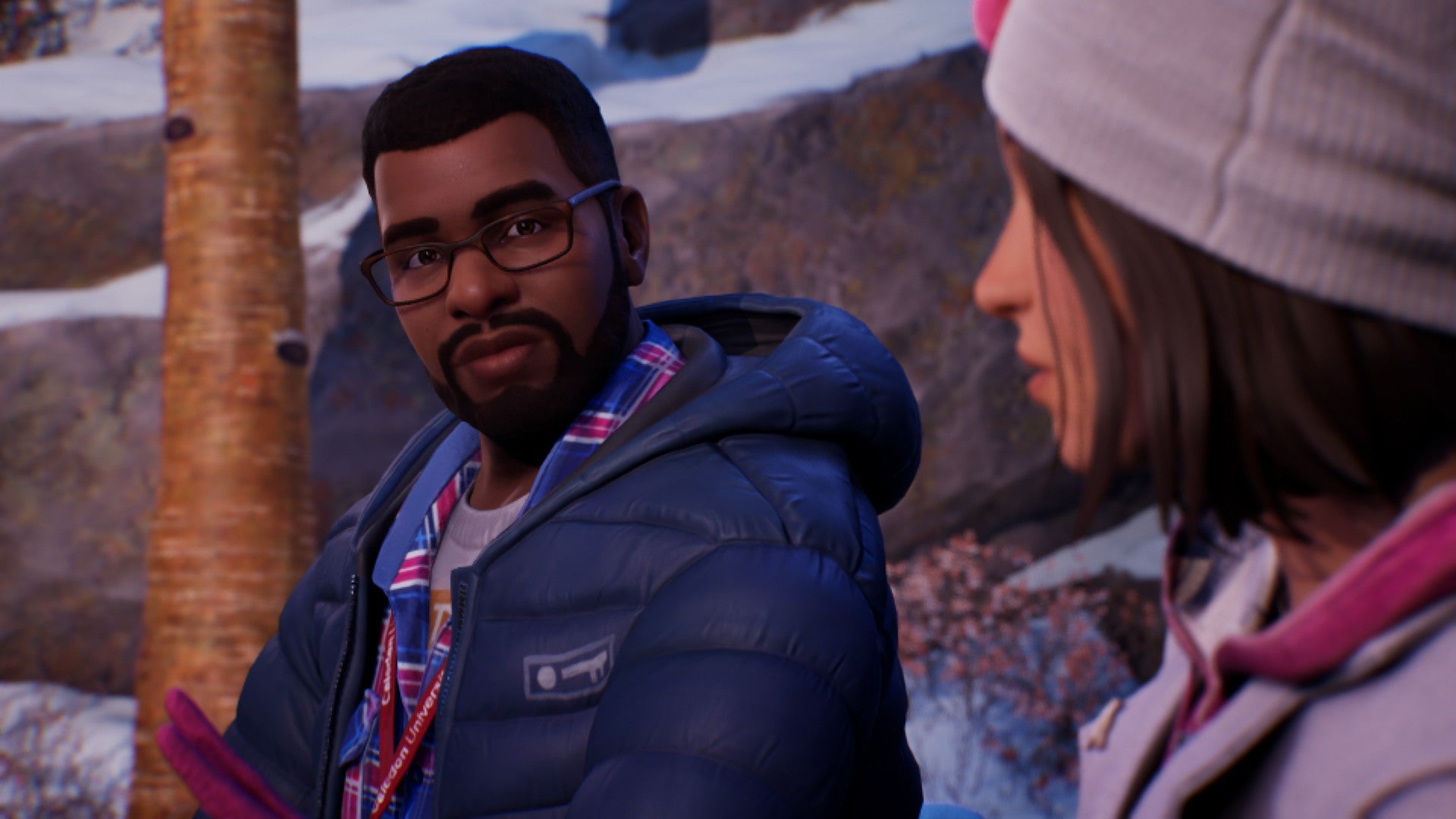
Your primary connections are with Safi, a poetry grad student, and Moses, an astrophysics student. Safi and Max are already close, and their banter reflects this. However, since we join their friendship already in progress, it lacks the depth of Max and Chloe’s relationship, at least initially.
Perhaps it never will. Another key difference is that the original game was episodic, experienced over months, while Double Exposure is available all at once, like a binge-worthy Netflix series. This format benefits Double Exposure in some ways but diminishes its initial impact. In the original, carrying Max's story over a year deepened the experience. I suspect Double Exposure might have been more impactful if released similarly.
Living in the moment
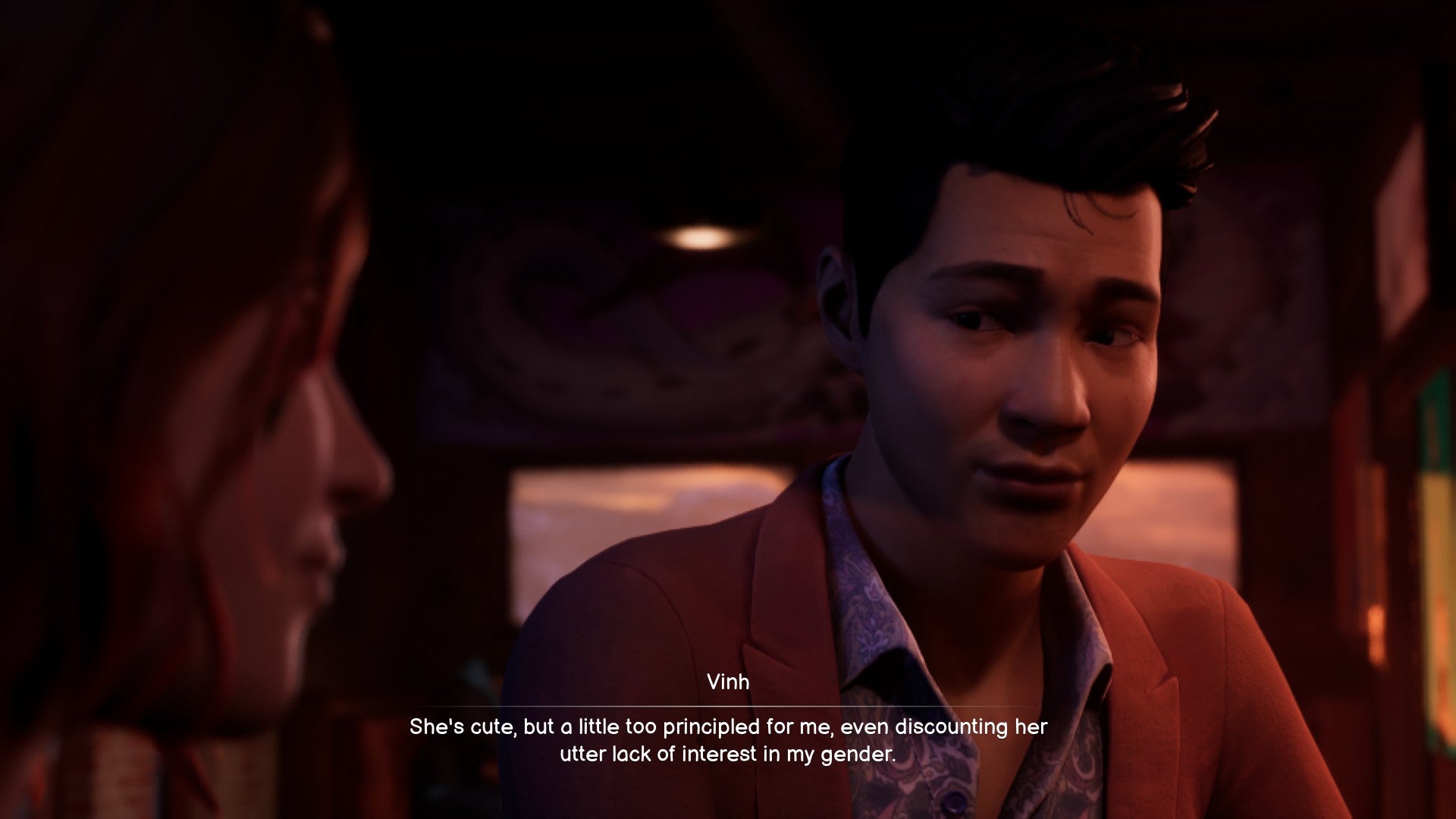
Max is doing well at Caledon, despite her familiar awkwardness and insecurity. Her personal life seems stalled, and Safi suggests she pursue a connection with Amanda, the charming manager of a local bar. (There’s also a romantic path with Vinh Lang, a secret society leader, but neither romance seems central to Max's journey here.) Max finds fulfillment in her photography project, which starts with her and Safi sneaking into an abandoned bowling alley for photos. The game offers chances to capture interesting images, though the mechanic feels limiting. You can adjust the camera but not Max’s position, which dampens the creative experience.
Screenshot: Square Enix
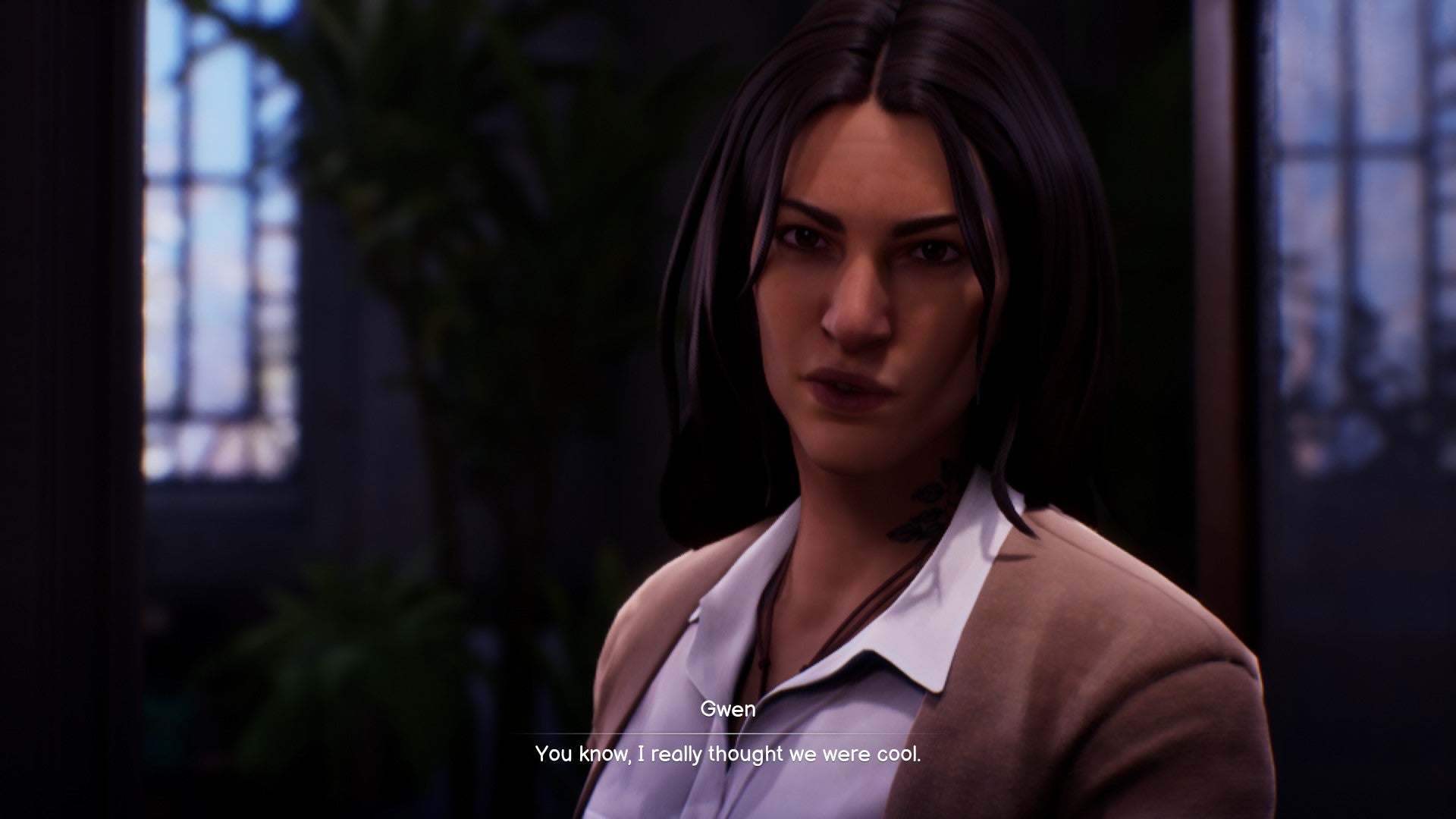
The game excels in drawing you into Max’s relationships, though they take time to develop. Characters like Safi, Moses, and others become intriguing over time. The writing maintains a young adult tone, with Max’s youthful expressions, yet it presents well-defined characters we can either like or dislike. Characters like Vinh Lang and Gwen Hunter, a trans writing professor, reveal deeper layers as the story unfolds, challenging initial perceptions.
The facial expressions in Double Exposure are notably remarkable, adding depth to interactions beyond dialogue. I previously highlighted the impact of facial expressions in Life Is Strange: True Colors, and it’s equally true here. The lifelike faces capture subtle nuances, elevating the game. The strong voice cast, including Hannah Telle as Max, enhances this further.
Crossing the streams
While the plot is important, a Life Is Strange game often shines through its relationships and atmospheric moments. These instances, where you can simply sit and reflect while a song plays, are still present and cherished. But let’s discuss the plot. (Avoid spoilers if you wish to experience Double Exposure fresh. I’ll only discuss publicly revealed details.)
After a night of stargazing, Max and Moses find Safi dead from a gunshot. In her grief, Max discovers a new power, allowing her to switch between timelines. In one, Safi is dead, with Max and Moses grieving and pursued by a relentless cop. In the other, Safi is alive amidst strange occurrences, like people seeing doubles and facing false accusations.
Screenshot: Square Enix
This timeline-swapping mechanic is enjoyable. Exploring locations and noting differences between timelines adds intrigue. Some puzzles require using items across timelines, reminiscent of Day of the Tentacle-style whimsy.
However, managing two timelines can be challenging, leading to visual glitches and inconsistencies. For instance, a locked briefcase appeared open due to timeline switching. Developers are likely working to fix these issues, but expect some oddities in your adventure. The game’s tone may shift unexpectedly, with Max reacting cheerfully to environmental details despite her grief. While such quirks are understandable given the complexity of game development, they are more noticeable here.
Multiplatform
Life Is Strange: Double Exposure
back of the box quote
"Like, wow. Just...wow."
Type of game
Story-driven supernatural mystery adventure
Liked
Incredible faces, a strong arc of growth and development for protagonist Max Caulfield, some fun twists and turns.
Disliked
Some aspects of the story are underdeveloped.
Developer
Deck Nine
Platforms
PlayStation 5, Xbox Series X/S, PC (played)
Release Date
October 29, 2026
Played
About 14 hours to slowly make my way through the entire story once.
Ultimately, the narrative’s quality matters more than technical quirks. Although the story takes time to unfold, the twists and revelations build momentum, leading to a satisfying conclusion that hints at future possibilities. I hope the game’s success leads to a sequel.
While Safi’s murder plot is well-executed, some narrative elements are underdeveloped. One character's comeuppance lacks impact, feeling rushed to make room for new developments. Despite these issues, Double Exposure shines in Max’s character development. She carries the past with her, growing in fascinating ways. At a pivotal moment, she makes a significant choice independently, reflecting her learned lessons.
Ultimately, Double Exposure is a strong sequel, deeply interested in Max’s character growth. It respects her journey, allowing her to evolve consistently with her experiences. Fans seeking more of the original Life Is Strange may be frustrated by Max’s new chapter of growth and ambiguity. Yet, life rarely goes as planned. Growing up involves carrying past pain gracefully while maintaining hope, joy, and love. In my view, Max is doing just fine.


