


With Sonic the Hedgehog 3, the live-action adaptation of Sega’s high-speed platformer is stepping into a new phase. Each installment of the Sonic films has worked to move beyond the typical “family” movie image, embracing instead the anime-inspired twists and complexities of the enduring platformer series. This latest film achieves that goal. Sonic 3 loosely adapts one of the most cherished stories from the series’ 30-year history. Although the film alters certain elements, it embraces the otherworldly, supercharged drama that set Sonic apart from its contemporaries in the early 2000s. While Sonic the Hedgehog 3 occasionally falls into the trap of underestimating its all-ages audience with basic jokes and some cringe-inducing segments, the third film more than ever justifies its dive into the video game extravagance that originally made these characters so beloved.
Despite some questionable choices, Sonic 3’s strongest asset is its focus on its nonhuman characters, rather than sidelining them for the less engaging human characters. Following the major disappointment of the Knuckles series’ human-focused narrative, it was refreshing to see Sonic 3 not only spotlight the anthropomorphic aliens but also give them some of their best moments yet. Keanu Reeves’ portrayal of Shadow is the film’s emotional core. Though his backstory differs slightly from the games, the same themes of grief and vengeance resonate through him. Reeves’ performance in the Shadow Generations tie-in DLC was rough, yet his heartfelt delivery in the film conveys the heavy burden Shadow carries in the darkest tales the movies have explored.
While the specifics vary, Sonic 3 draws heavily from the dual character perspectives of the game it draws most inspiration from, Sonic Adventure 2. The film takes most of that game’s key elements, effectively splitting the movie into two distinct tones depending on which quick-footed hedgehog is central in any given scene. The moments focused on Shadow are as introspective and evocative as those from his debut in the Dreamcast game two decades ago. Sonic’s scenes, on the other hand, are joyful and hopeful, with the tension of Shadow’s darker storyline seeping through as the movie explores both characters’ responses to loss.
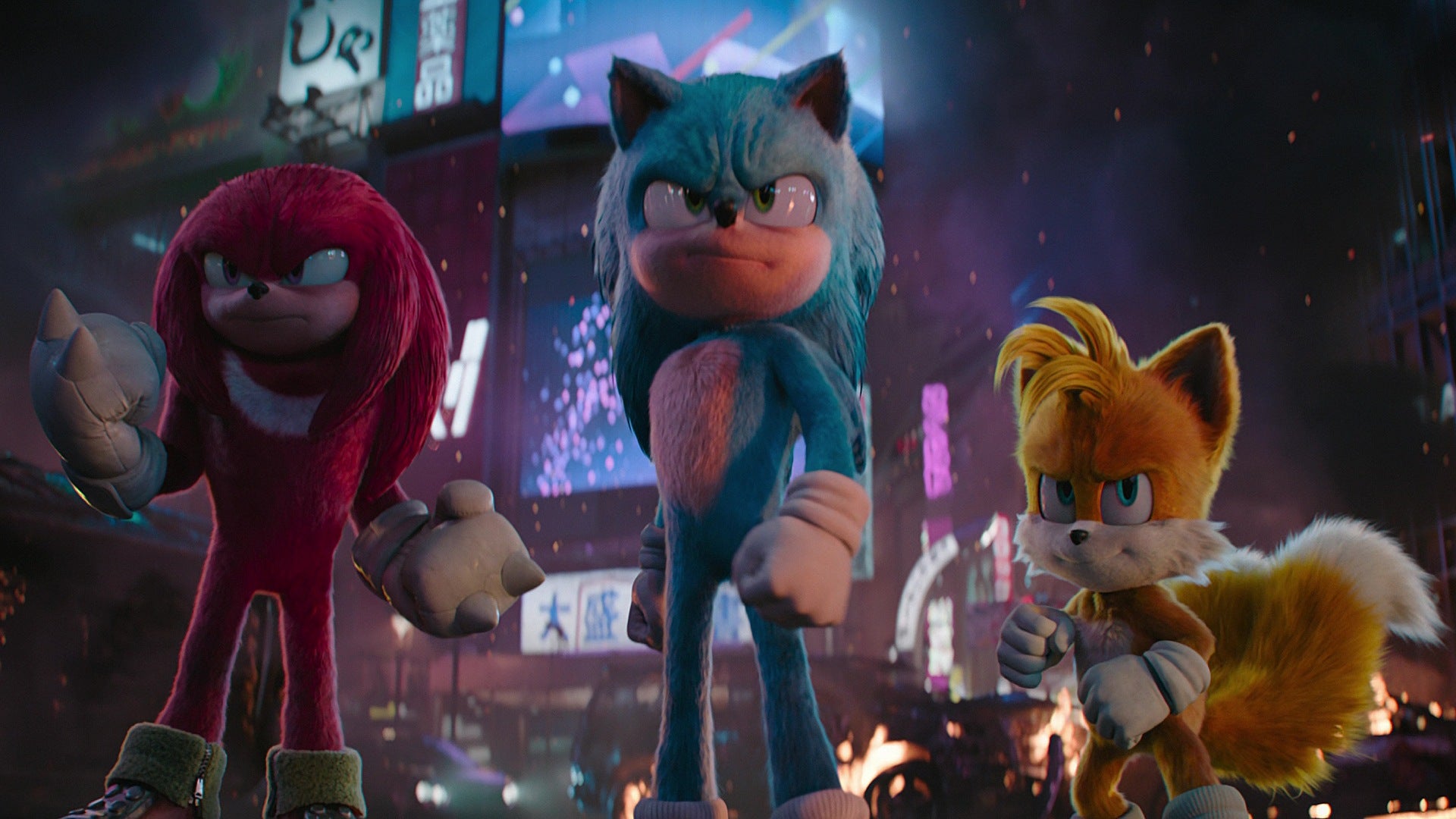
Image: Paramount
The clear dichotomy Sonic 3 establishes between Sonic and Shadow is what makes the film a more deliberate video game adaptation than its predecessors. Beyond merely introducing familiar characters and lore, Sonic 3 actively incorporates the structure and symmetry of Sonic Adventure 2 with notable success. Although the movie is missing a key figure, as Rouge the Bat doesn’t make an appearance as some had speculated, the asymmetry between Sonic and Shadow, even though they appear equally matched in strength and skill, signals a directorial intent that was previously too vague. Sonic 3 eliminates most of the cheesy diversions from earlier films, like Sonic 2’s wedding subplot or the trivial pop culture references that plagued these movies. Instead, the film strives to remain true to the source material and doesn’t condescend to the younger audience. Surprisingly, the movie offers one of the most poignant explorations of Sonic and Shadow’s contrast, following years of Shadow being treated as a secondary character. It respects its characters enough not to dilute the darkest aspects of their identities. Well, at least it does for the protagonists.
While I appreciated Sonic and Shadow’s rivalry, I didn’t expect to leave Sonic 3 feeling disenchanted with Jim Carrey’s portrayal of Doctor Ivo “Eggman” Robotnik. Carrey takes on dual roles in the film, reprising his character as the eccentric mad scientist, and Eggman’s grandfather, Gerald Robotnik. Gerald has played a significant, albeit mostly posthumous, role throughout the Sonic series, and I was apprehensive about Carrey’s portrayal in the trailers as the film seemed to adopt a more comedic approach to a character known for some of the franchise’s most spine-chilling moments. Gerald is alive and well(?) in Sonic 3, giving Carrey the opportunity to primarily riff with himself. While both characters have their moments, most of the films’ greatest shortcomings are evident when the Robotniks are on screen. These are the scenes where you’ll find the needle drops, an unexpected dance break, and all the unfunny bits that seem like an adult writing for children they don’t believe could understand something even slightly sophisticated. Almost all of that falls under Carrey’s screen time and feels like a waste of his talents and the mad scientists he portrays.
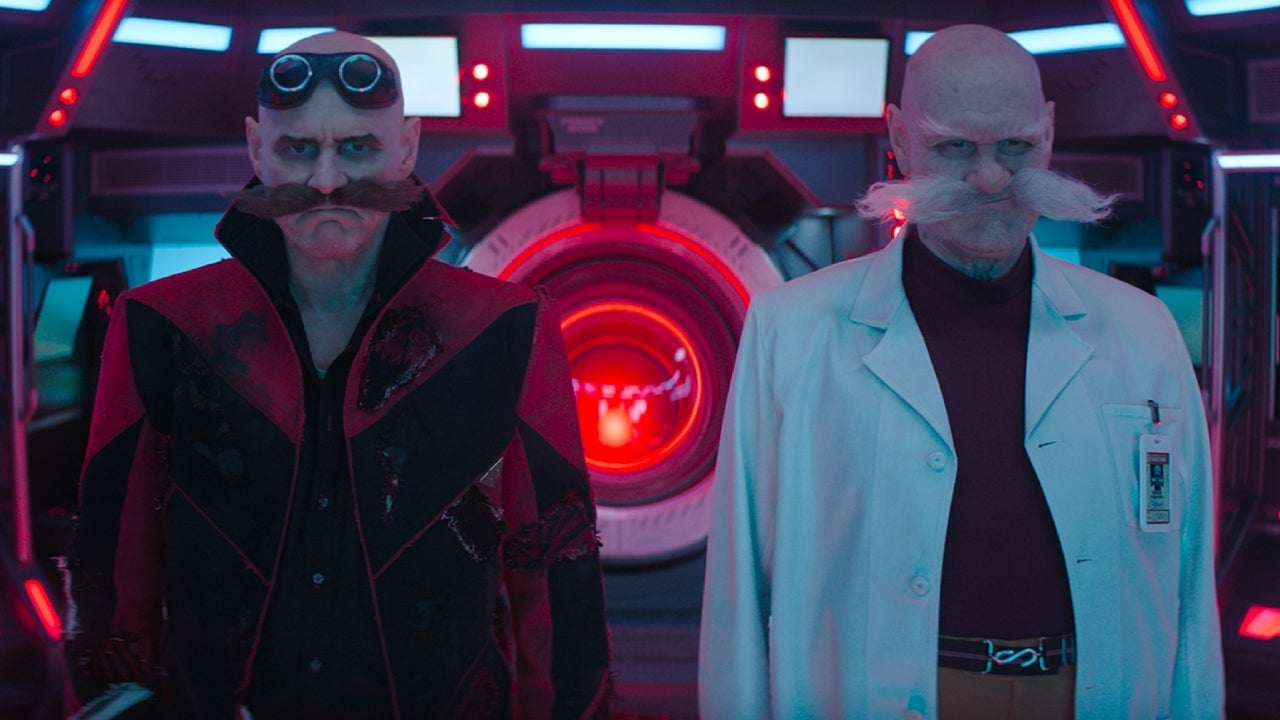
Image: Paramount
Paramount’s reliance on human characters has been one of the most glaring issues of the Sonic films. Skilled actors playing Sonic’s human friends were often given the weakest material in the script, making even the briefest scenes feel agonizingly long. Sonic 3 isn’t completely free of this issue, as Jessica Jones actor Krysten Ritter joins the cast as GUN agent Director Rockwell, who primarily serves as a temporary obstacle for everyone before being swiftly removed from the story. The Knuckles series might as well not have been named as such, as Idris Elba’s portrayal of the beloved Echidna was barely present in the show. For two movies, it seemed like Carrey’s unhinged, scene-stealing performance as Eggman was immune to this, but the movie does such a commendable job of focusing on Sonic and Shadow that those distracting, low-effort tendencies funneled into his performance instead of elsewhere.
The most compelling human interactions in Sonic 3 are those connected to its two leads, such as Alyla Browne’s role as Shadow’s best friend Maria, or Sonic’s father/son relationship with James Marsden’s small-town cop Tom. Lee Majdoub also delivers a sincere performance reprising his role as Agent Stone, dealing with his toxic relationship with the ol’ Egghead. But so much of the responsibility for entertaining children with wacky antics falls on Carrey’s shoulders. It deprives him of the wit and comedic timing he displayed in the first two films. I’m sure he had a great time on set, but he deserved better material to work with.
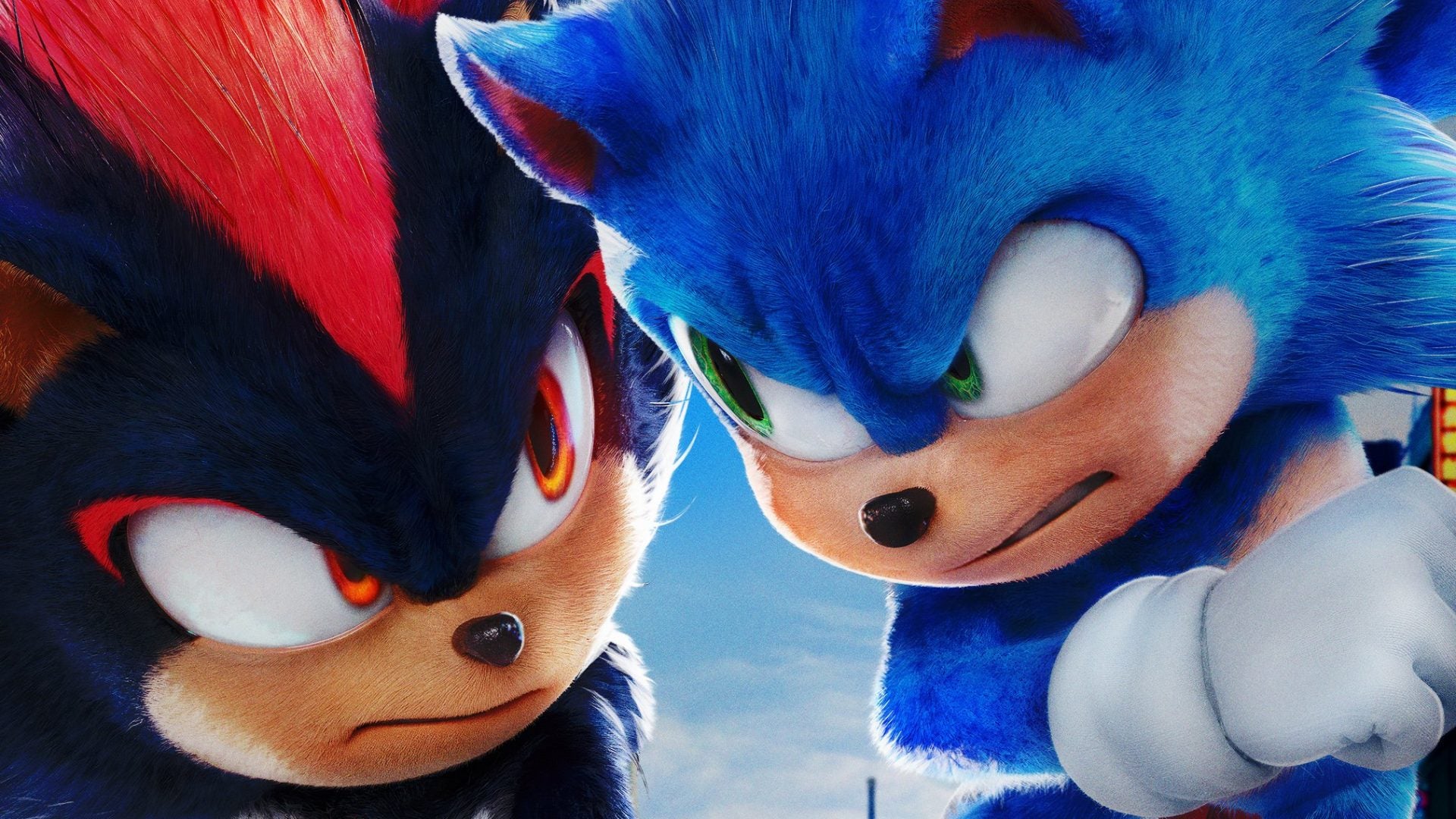
Image: Paramount
Some of that tension arises because Gerald is alive in this version of the story, and it’s not the only difference even the most casual Sonic fan will notice. There are a few key deviations from the game to the film that long-time fans will spot, but overall, Sonic 3 goes out of its way to maintain the AMV-bait vibes of the series’ early-00s angst and pulls it off with something that is consistently entertaining, mostly respectful of its characters and audience, and truest to the spirit of the franchise. Watching Sonic and Shadow clash with an edge and style that feels even more electric than anything the first two movies attempted is exhilarating, and its final battle is especially raw, emotionally cathartic, and well-earned after three solid, progressively improving movies and a disappointing TV show.
The word “earned” keeps coming to mind as I reflect on Sonic 3. These movies have evolved significantly since Paramount first unveiled the horrifying gremlin that was Ugly Sonic in the initial trailer, which they have since tried to erase from the internet. Each movie has gradually introduced more of the quirky, genuine elements that have kept Sonic and Shadow in the hearts of millions, even as the series encountered obstacles that would have ended most other major franchises. If you’d told me 20 years ago that a live-action adaptation of Sonic Adventure 2 would eventually hit the big screen, I wouldn’t have believed you. If you’d told me it would be good, I would have been even more skeptical.