

Since the release of The Last of Us Part II in 2026, I've observed an intriguing trend in how people discuss Naughty Dog’s polarizing sequel. Many describe Ellie’s quest for revenge in ways that don't align with the game I played. While I perceive The Last of Us Part II as a poignant tale of grief culminating in forgiveness, others see it as an excessive display of violence that transforms a beloved video game figure into a clear-cut antagonist. Although I disagree with this latter viewpoint and find such interpretations perplexing, there’s something daring about a game that allows for such varied interpretations. In contrast, the HBO live-action series seems overly cautious, as if afraid the audience might misunderstand, resulting in a version of the story that feels oddly condescending, unlike the original which trusted its audience to interpret the narrative.
For those unfamiliar with the source material, the second season of The Last of Us might not seem much different from the first. Without any prior knowledge of the PlayStation 4 game, it comes off as straightforward prestige television, akin to the emotional depth of a typical daytime soap opera. The first season similarly introduced new scenes where actors essentially faced the camera to articulate the complexities of morally ambiguous characters. I often found myself rolling my eyes during season one scenes where Pedro Pascal as Joel joyfully recounted to Bella Ramsey’s Ellie about getting a second chance at fatherhood. However, season two’s relentless emphasis on spelling out the story’s themes is so overwhelming that it deprives viewers of the opportunity to form their own opinions about the unfolding events before being told what to think.
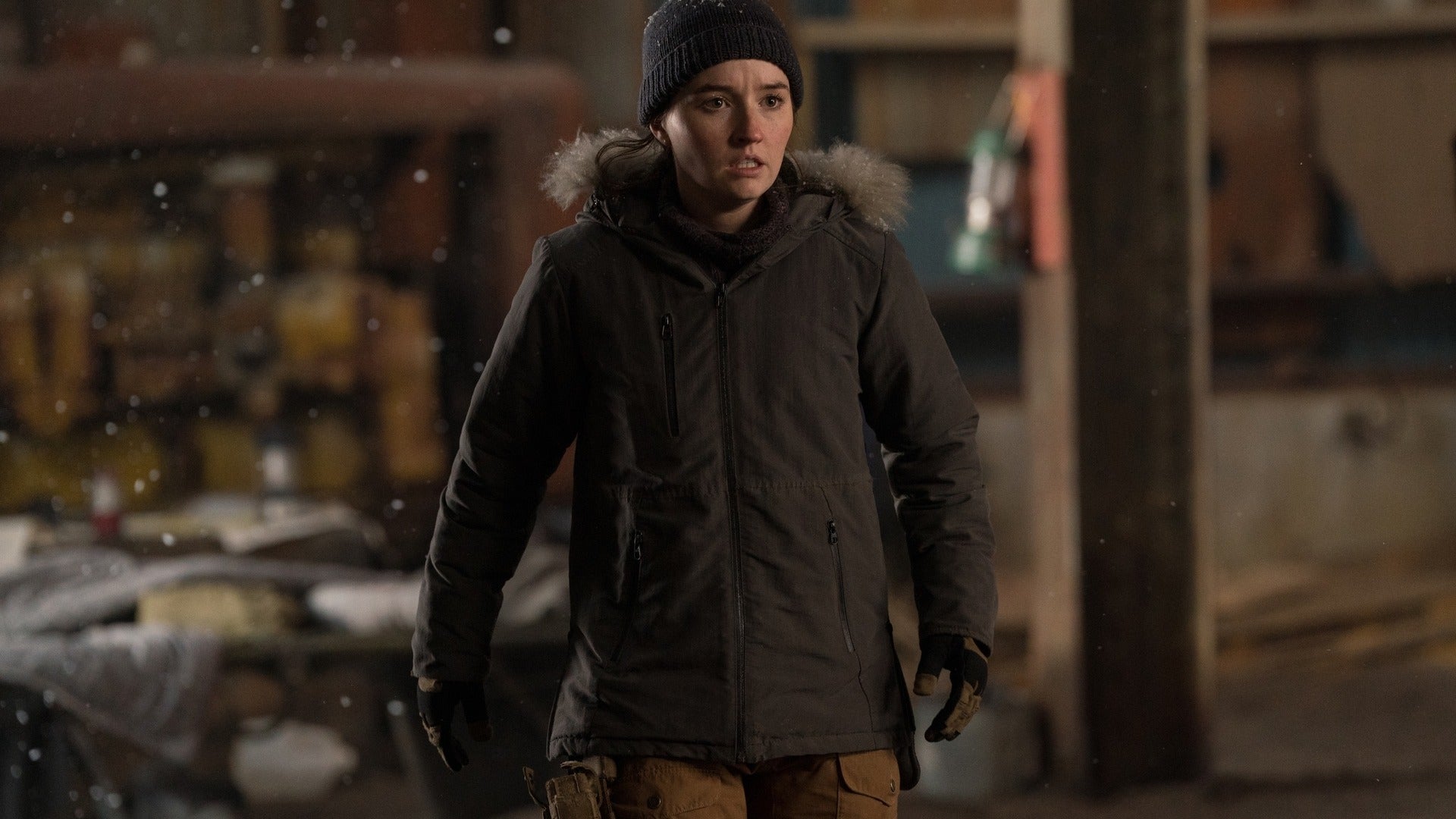
Image: HBO
The allure of The Last of Us Part II fades when characters overtly explain everything to each other—and, in turn, to the audience. Early in the season, for instance, the show unveils the game’s secret second protagonist Abby, portrayed by Kaitlyn Dever, along with her backstory. Later, she delivers a villainous monologue before executing a series of lethal blows, clarifying her reasons for traveling across several states to pursue vengeance. This approach suggests a show that shuns the intentional disconnect between player and protagonist that Naughty Dog crafted in the game.
Abby isn’t the sole character affected by this puzzling shift in focus. Ellie is similarly distanced from the player in Part II, with her motivations and perspective obscured until intermittent flashbacks reveal the root of her conflicted, violent state. HBO is extending Part II’s narrative across multiple seasons, seemingly deciding that viewers couldn’t endure the discomfort for several years if players struggled to handle it for 25 hours. Instead of faithfully mirroring the game’s approach, we receive a condensed, disordered version of events, treating each moment of Ellie’s violent descent like an annotated explainer on YouTube. I’ve consistently found Ramsey and Pascal’s performances lacking compared to their game counterparts, but in season two, it’s hard to discern if it’s merely an issue with the material, as both actors spend much time explaining and clarifying aspects that the game, with its subtler, subtext-driven script, left unspoken, crafting a text that was compelling and challenging to decipher.
I understand the reluctance to present a story as complex as The Last of Us Part II to a broader audience without softening some of its rough edges. Certainly, the game has been praised as one of the greatest, yet its revenge narrative remains highly divisive. The worst aspects of the gaming community went so far as to threaten Laura Bailey, who voices Abby, with harm to her family. Dever had additional security on set in case similar threats emerged during her scenes in season two. Much of this backlash stems from a lack of empathy for the character’s situation, yet The Last of Us Part II is a story built on misunderstandings in a world where violence is the dominant form of communication.
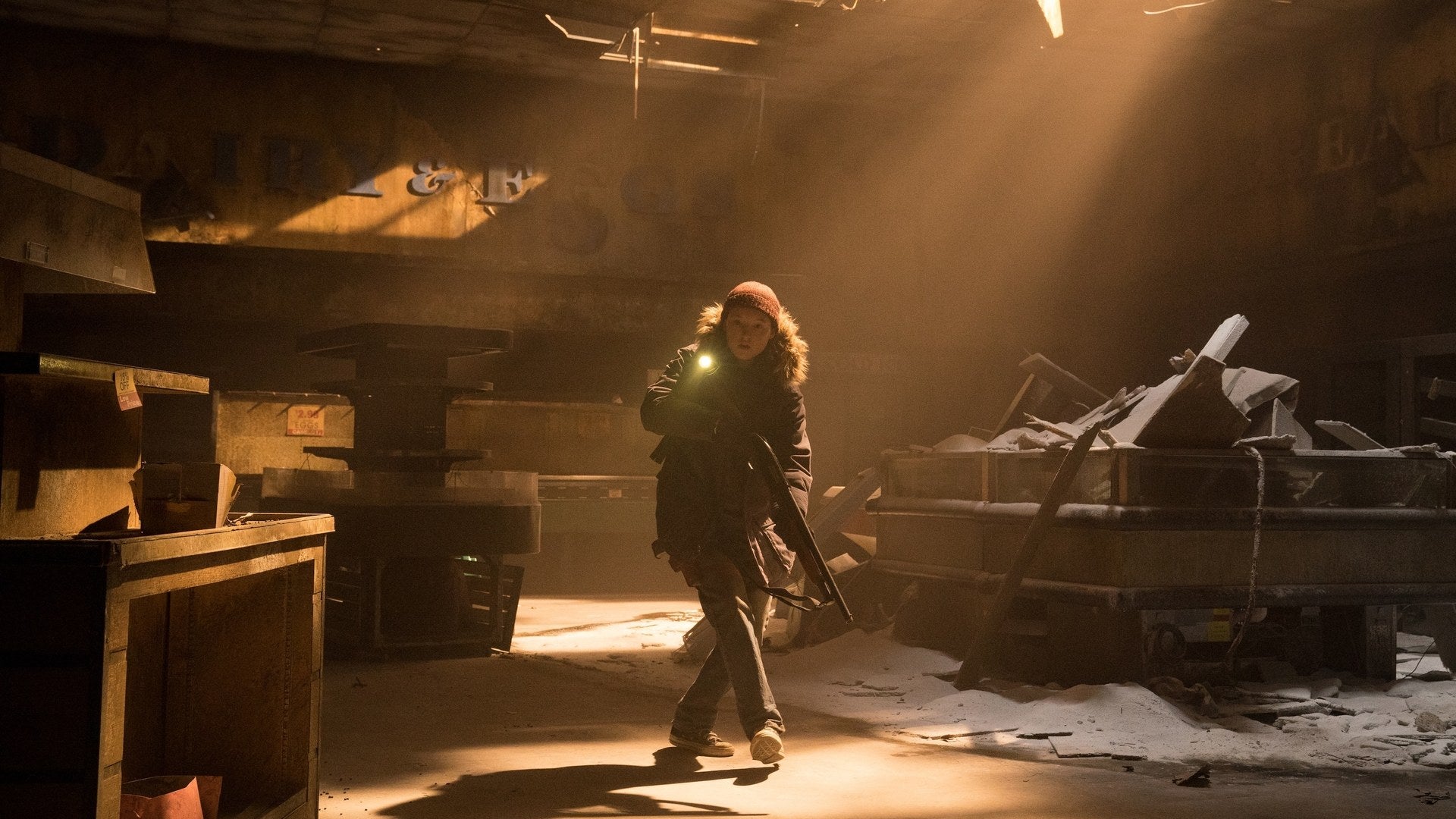
Image: HBO
Ultimately, the show seems afraid of silence. Unlike a player who actively experiences the game, the viewer isn't intended to adopt a specific perspective and enact the scene. Consequently, it appears the show’s creators have opted to disclose everything, leaving no action, motive, or regret to the imagination, ensuring viewers understand that everyone is complicit in the cycle of violence driven by grief. The Last of Us season two doesn’t just aim for you to empathize with its protagonists; it insists you comprehend that this is its central message. Whether or not you sympathize with Abby or believe Ellie has crossed a line isn’t for you to determine. The show has already decided the lesson it wants to impart, resulting in interactions where characters seem aware of being observed.
Choosing to obscure those nuances was integral to the story The Last of Us Part II told; the show, however, removes that ambiguity and offers little in its place. It opts for safe choices over bold, divisive ones. It increases the action, though I found some of the large-scale battles with infected hordes less engaging to watch than to play. We spend more time with characters like Isaac, leader of the militaristic Washington Liberation Front, portrayed again by the exceptional Jeffrey Wright, reprising his game role. He features in some of the season’s most captivating scenes, despite falling prey to the same forced exposition as the rest of the show. Isabela Merced shines as Ellie’s new girlfriend Dina, though much of her character is lost in translation without the extended time the game dedicates to exploring her through its exploration segments.
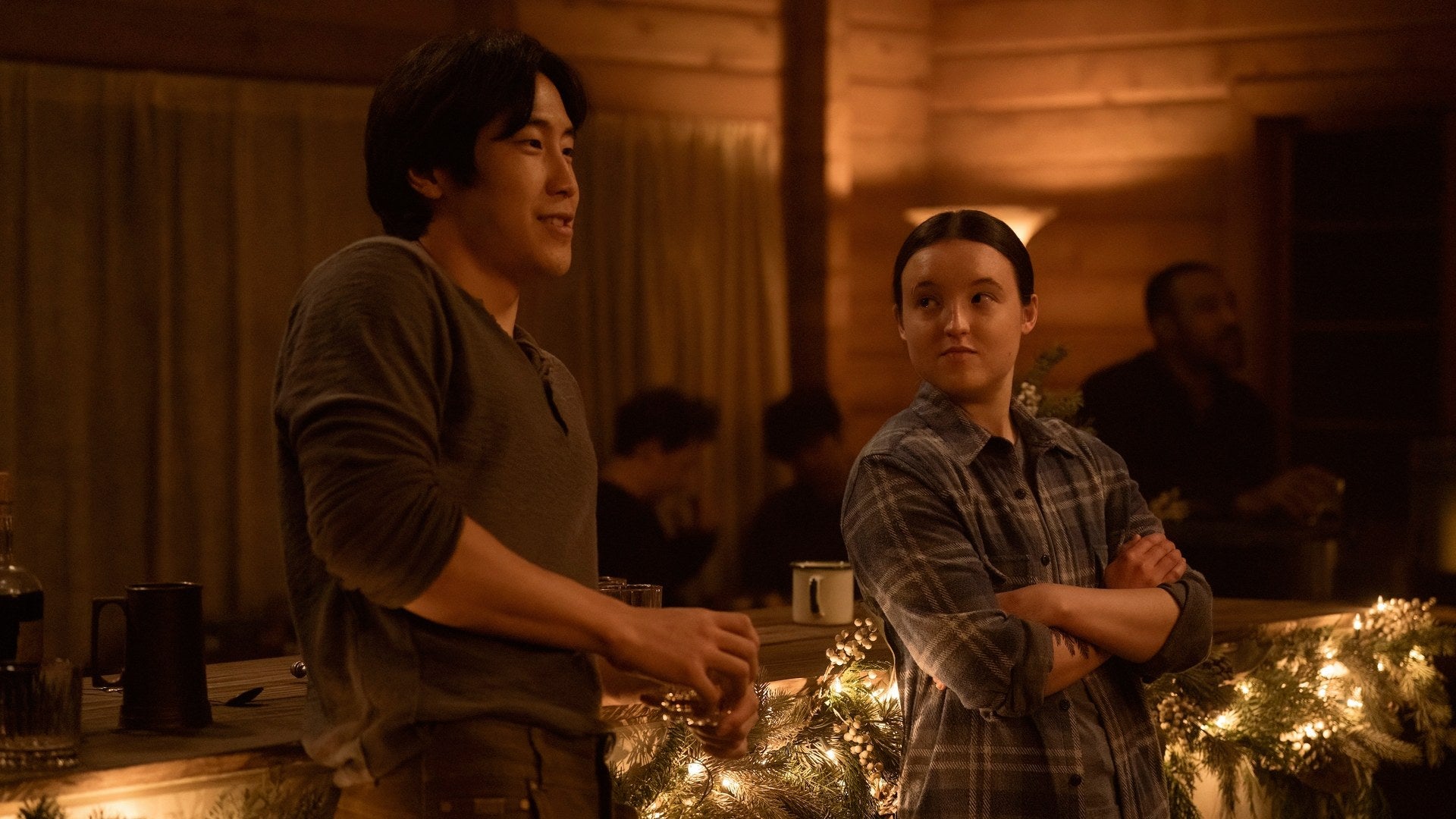
Image: HBO
I’m intentionally vague about the specifics of season two because I believe some episodes will surprise those unaware of what lies ahead. Additionally, we’ll provide weekly recaps for each episode as they air to delve into the finer details. However, my overarching impression is that this season represents a timid rendition of a story that, for better or worse, was unwavering in its commitment to let you feel however you would about it. This is why The Last of Us Part II is divisive yet resonant with those it touches. By attempting and failing to adapt the game’s structure, The Last of Us season two resembles a haphazard summary. It’s likely more entertaining than merely reading a synopsis, but it’s undeniably less thought-provoking than its source material.
Many have described The Last of Us as a “game aspiring to be a movie” due to its cinematic nature and linear story, but so far, the passive version of Part II has only reinforced that it was always more than a collection of cutscenes linked by stealthy cover shooting. The deliberate distance these games create between you and Ellie, Abby, and Joel is something only a game can achieve. But if you’re not making a player assume an uncomfortable role, why subject a viewer to any discomfort at all? The Last of Us Part II was always more than the sum of its parts, prompting me to advise people not to judge the game until they’ve reached its conclusion. In translating this game into a show, HBO has stripped it of some of its most essential elements, and I don’t foresee that changing when it finally concludes the story of Part II. Just play the game.