


When I engaged in a conversation with Don’t Nod last year regarding the decision to split their new paranormal adventure game, Lost Records: Bloom & Rage, into two segments, the team explained their aim was to revive the intrigue and anticipation that episodic releases of the past, like the original Life Is Strange and Telltale’s series, generated. Now, after a two-month hiatus, the second episode of Lost Records, titled “Rage,” predominantly feels like a dash to the finish line. The latter half of Don’t Nod’s innovative approach to their signature supernatural teen melodrama format appears more as an epilogue to the first rather than a substantial installment in its own right. However, now that the waiting period has concluded, it seems inconsequential to those who didn’t spend those months eagerly anticipating the next developments. (NOTE: This article does delve into plot developments from the first part of the game.)
Watch: Lost Records: Bloom & Rage Part 2 Is Short, Shocking, And Strangely Satisfying
video
Lost Records: Bloom & Rage Part 2 Is Short, Shocking, And Strangely Satisfying
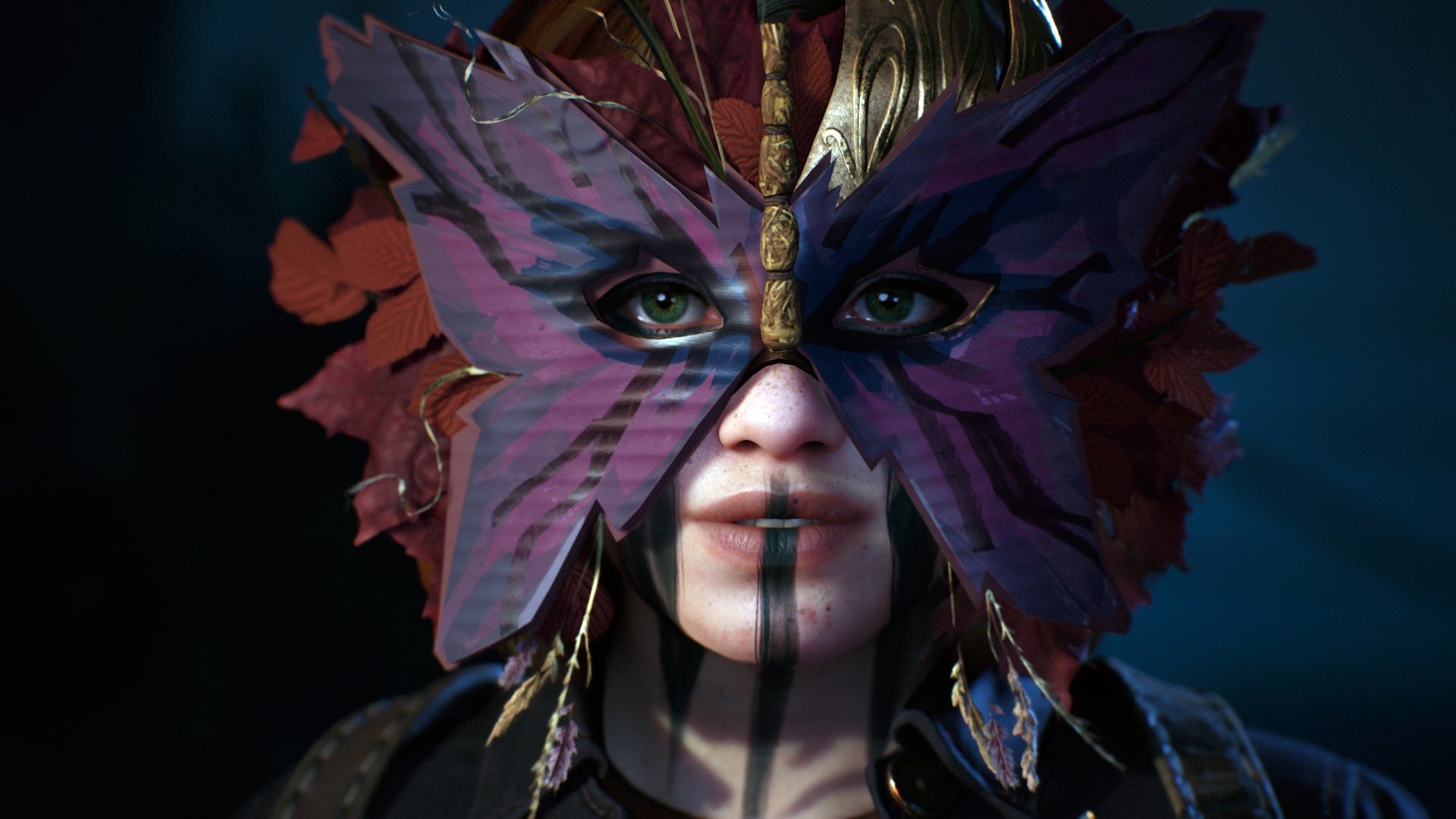
The first episode of Lost Records instantly captivated me. The heartbreaking revelation that Kat, one of Swann’s childhood companions, wouldn’t accompany us in the current timeline redefined everything prior. Much of the second episode revolves around placing your decisions at the forefront to uncover why. I was taken aback by the brevity of the second episode, with most of its ‘90s flashbacks concentrating on Swann and her friends dealing with the aftermath of their rebellious musical stunt at the conclusion of episode one. However, where episode two truly excels is in how it adeptly merges its past and present storylines. Episode one hinted at significant fallout among the group’s members during their teenage years, but now that I’ve developed relationships with Swann’s friends through the flashbacks, those vague references have begun to manifest in the present.
Screenshot: Don’t Nod Entertainment / Kotaku
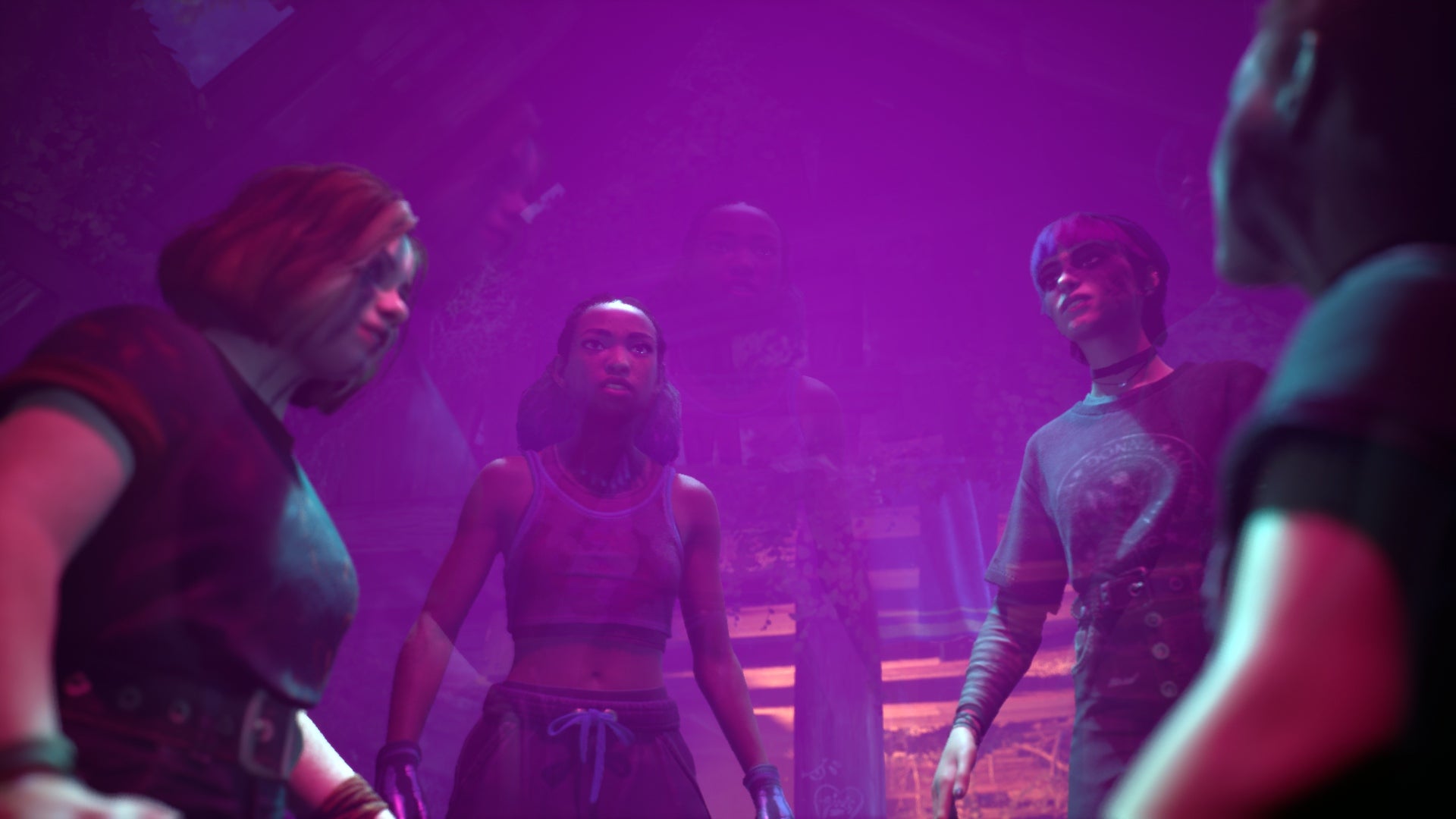
Upon completing the game and reviewing the statistics for various choices and outcomes, I was astonished by the diversity of the scenarios that led Swann, Autumn, and Nora back to that Velvet Cove bar where they decided to reunite 27 years later. Outcomes I had assumed were predetermined turned out not to be, prompting me to reflect on all my decisions. By the time we discovered the contents of the enigmatic package addressed to “Bloom & Rage,” our long-forgotten garage band that united us in the summer of ‘95, only two of us remained seated at the bar. The act of reminiscing had become too painful for Nora, and I felt a sense of responsibility for not being closer to her during our childhood.
While I won’t divulge the specifics of the conclusion of Lost Records, I must admit I was somewhat disappointed by the abruptness of the ending. This might also have been influenced by the choices I made and the devastating consequences that ensued, but while Swann’s personal relationships concluded on a lovely, thoughtful note, the game’s supernatural storyline wrapped up with what could be generously described as a nonchalant shrug. Part of this lack of closure might be intended to set the stage for a sequel, which wouldn’t be surprising given Don’t Nod’s desire for its own supernatural drama independent of Square Enix’s influence. Still, I felt a jolt from how swiftly Swann and her friends abandoned their curiosity about the malevolent forces that instigated everything.
Screenshot: Don’t Nod Entertainment / Kotaku
Even though Don’t Nod might be reserving some answers for a potential sequel, when it comes to the human connections at its core, Lost Records provides a remarkably poignant conclusion. In the decades since Swann and her friends departed from this small town, they’ve forgotten many of the defining moments from the summer they first met. One of the most haunting aspects of grieving something—whether it be a person or a moment in your life—is realizing that eventually, people become memories, and with each passing day, those memories fade. It’s an unsettling truth that one day, everyone who has ever known you will be gone. A time will come when no one speaks your name or remembers your achievements. But eventually, we all confront the sad reality that this day can arrive even when people you were once close to still walk the earth.
Lost Records is steeped in ‘90s nostalgia, yet instead of feeling like a cynical, overly referential homage to a past era, it utilizes that element to demonstrate how reminiscing provides comfort as it validates that something happened, or that we once knew someone who is no longer with us. Old home videos, photographs, and journal entries might be lost or damaged, but our memories endure as long as we cherish them. Lost Records acknowledges the difficulty of this, and that for some of us, even discussing the past can be too painful. However, Don’t Nod’s latest shines brightest when it shows that even that pain is worthwhile.