


Dead Take, a horror FMV game from Tales of Kenzera developer Surgent Studios, begins with a disclaimer stating that its story of unchecked Hollywood ego taken to terrifying extremes is a “work of fiction not intended to reference or depict any actual people, places, events, or other entities in the real world.” This is the same legal safeguard many artistic works use to prevent lawsuits should someone feel the story mirrors their own life too closely. This disclaimer resonated with me while I navigated the six-hour escape room psychological drama. While its narrative may exude a true crime vibe, outside the jump scares and darker twists, is the story truly that different from real-life horror tales about the challenges struggling artists face in their pursuit of success?
For a game that delves into the hardships of actors, having exceptional talent to convey the message is crucial. Dead Take features Final Fantasy XVI and Clair Obscur: Expedition 33 lead Ben Starr and Neil Newbon, known for his role as Astarion in Baldur’s Gate 3, as two struggling actor friends, Vinny Monroe and Chase Lowry. Both audition for a role in the latest film by visionary director Duke Cain, but it’s Vinny who secures the part. Although Chase is clearly disappointed, he and Vinny seem to remain on good terms until Vinny stops responding to calls after a party at Cain’s luxurious mansion. In search of his friend, Chase heads to Cain’s home only to find remnants of a party long concluded.
Screenshot: Surgent Studios / Kotaku
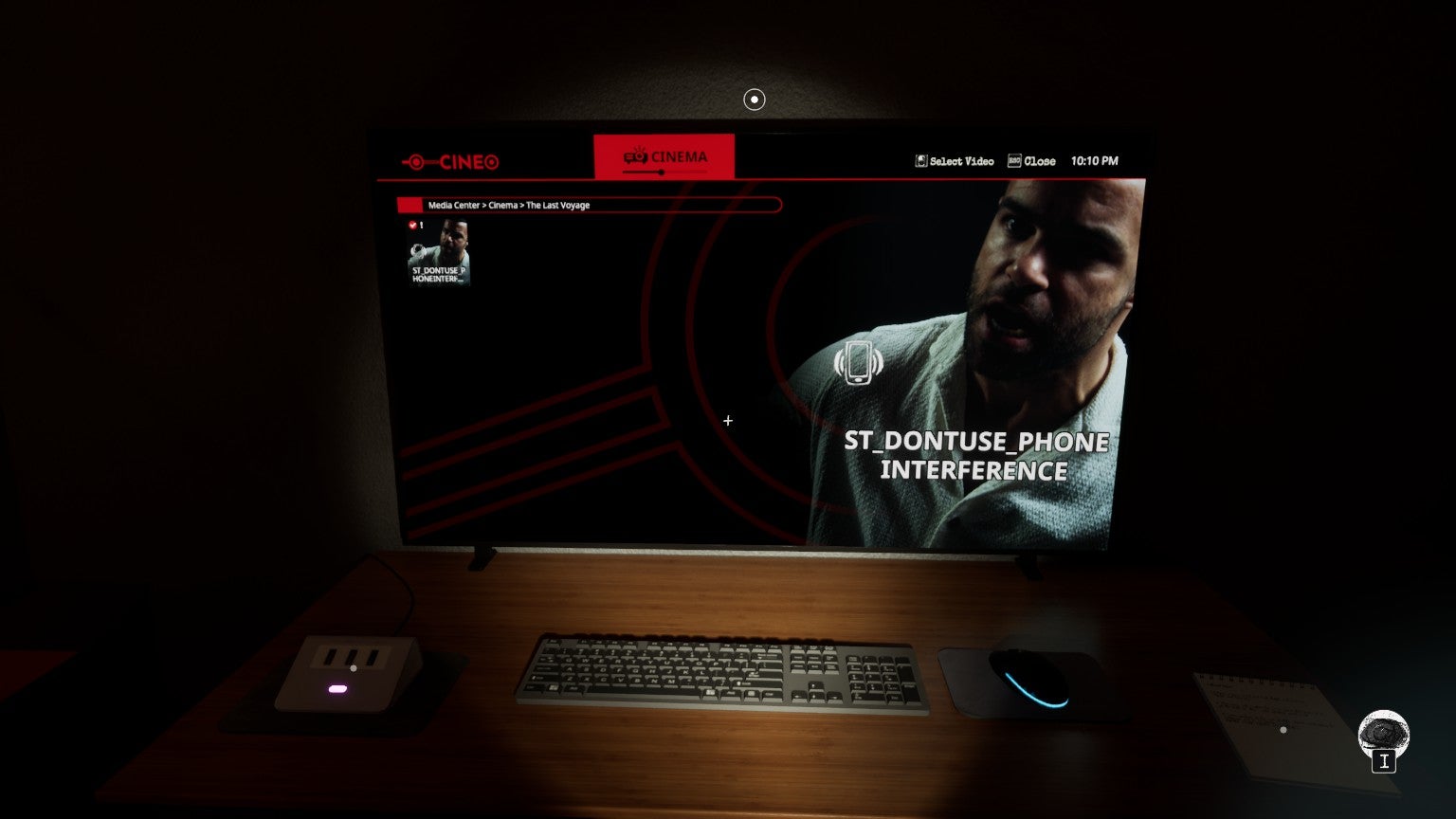
The majority of Dead Take unfolds like a large-scale escape room. Cain’s mansion is filled with locked rooms harboring mysteries and unsettling answers. The game is mostly a solitary experience, as Chase appears to be the only person in the building. However, Starr, Newbon, and a few other notable actors in the video game realm make appearances through found footage. Even though Chase is alone, the presence of every supporting character is keenly felt in their absence. Numerous text logs and environmental clues hint at what’s happening, but the main narrative is conveyed through FMV video files you search for and view in Cain’s lavish home theater. Some puzzles even require using video editing software to uncover hidden footage within the files you’ve already discovered. While not as demanding as challenges found in Sam Barlow games like Her Story or Immortality, it’s enough to suggest that the videos you find aren’t the complete story and that hidden meanings exist within even the most innocuous footage.
Starr’s performance stands out to me. Vinny is a driven yet privileged nepo baby, indulging in Cain’s influence as if his films were divine creations. Yet, this is not a character flaw unique to him. Everyone in Dead Take eagerly absorbs everything Cain offers and is willing to undermine others to bask in his spotlight.
Screenshot: Surgent Studios / Kotaku
We perceive all this through Chase’s eyes, and his voyeuristic role in this ordeal reveals more of Vinny’s character than probably anyone else, with much of the footage of Chase taken from his initial, unsuccessful audition. Dead Take provides the perspective of someone excluded from or denied entry into a sacred, elite space, capturing the struggle of breaking into a competitive artistic field where certain auteurs are revered by nearly everyone. While this is the kind of challenge Hollywood faces, it also resonates with most creative industries. Whether you’re an actor, artist, musician, or journalist, there’s a perception of an in-crowd, and some figures are so legendary they cannot be questioned. Speaking against them invites their wrath and that of those who gain by being close to them. Dead Take’s horrific depiction of these ideas is extreme but grounded in something real, eliciting a visceral reaction from me akin to the straightforward horrors encountered in Cain’s self-aggrandizing museum-like home. Without spoiling the mysteries I uncovered, suffice it to say, Dead Take’s unsettling vibes stem not just from the tense, isolating atmosphere.
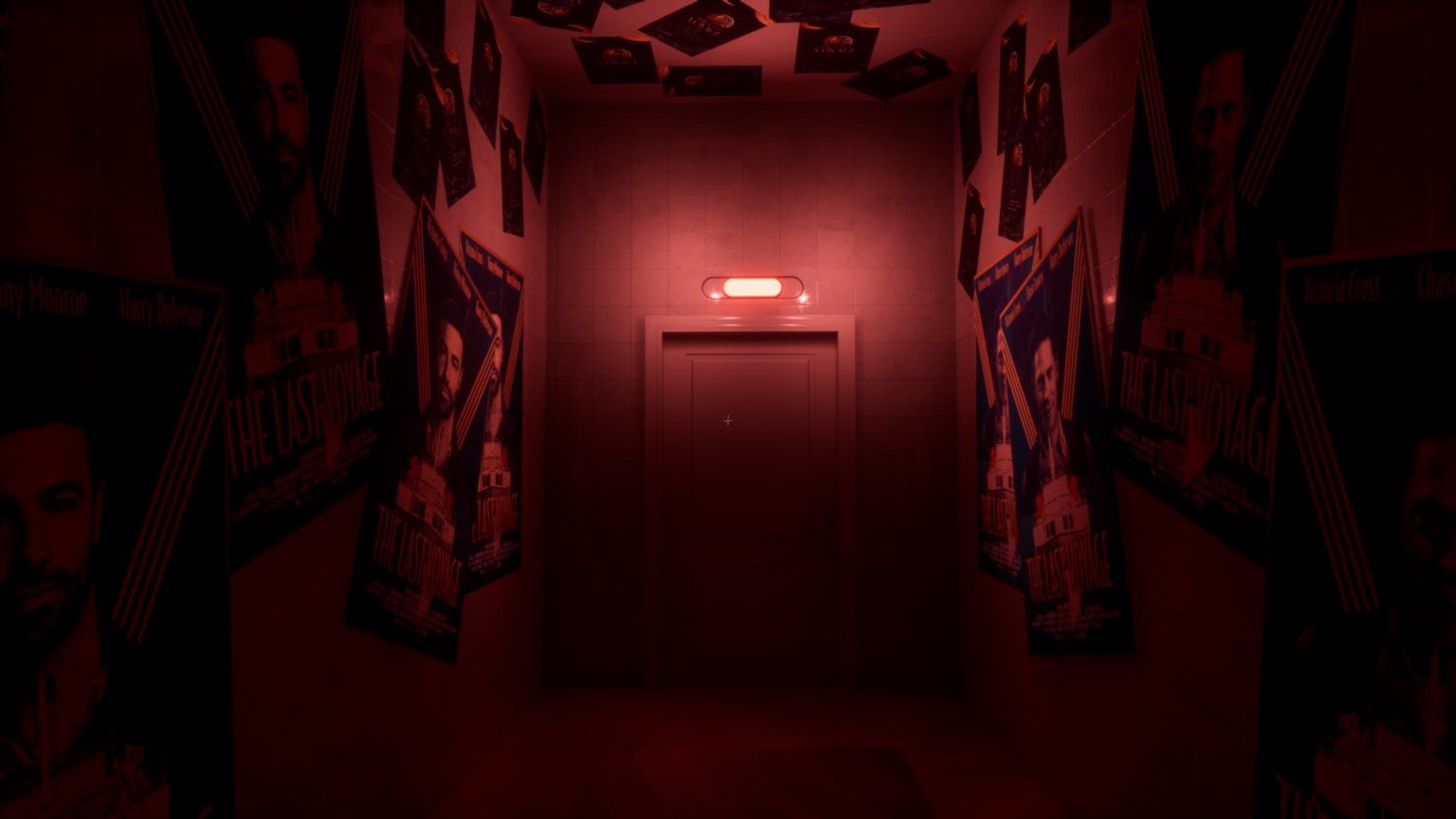
Despite this, the more straightforward scares are my main issue with Dead Take. I can handle a jump scare or two. However, Dead Take’s use of them feels incredibly cheap and artificial. While it’s currently popular to claim that “good” or “elevated” horror doesn’t rely on loud noises and creepy figures jumping out to frighten a viewer or player, I find those critiques often exaggerated and pretentious. Yet, almost all of Dead Take’s jump scares involve sudden distorted visions of Starr’s screaming face appearing without warning or real diegetic context. This occurs repeatedly, with increasing frequency as the game progresses, and by the final sequence, I was quite tired of it. While I could interpret these as manifestations of Chase’s deteriorating psyche, they become so frequent and disconnected from specific events in the game that they no longer feel like genuine scares rooted in the world you’re exploring. They merely disrupted my nerves, forcing me to brace myself every time I entered a room, eventually pausing the game before moving on, knowing I’d likely encounter another random Starr scream while searching for a key or USB stick.
Screenshot: Surgent Studios / Kotaku
It’s unfortunate that these jarring screams are scattered throughout a game that otherwise captivated me. If you can tolerate jump scares, especially those without real-world context, go ahead. For everyone else, you might need to take breaks while exploring Cain’s mansion, as I did. But once you get past them, there’s a compelling escape room mystery here, enhanced by outstanding performances from its two leads. Dead Take is most frightening when it’s anchored in reality, and even though there’s a disclaimer stating it’s not based on anyone specific, be aware that Duke Cains do exist among us.


