


In February, Sony announced that the PlayStation 5 is now in the later stages of its lifecycle. Celebrating its fourth anniversary, the console has seen both significant achievements and unexpected challenges. The year 2026 marked a pivotal moment for the PS5, as Sony subtly transitioned from the PS4 and set the stage for a new wave of exclusive first-party blockbusters. It was another quietly successful year for a console that increasingly dominates the high-end gaming market.
Throughout the year, the PS5 received notable updates to its home screen UI, alongside an array of outstanding exclusive titles from second- and third-party collaborators. Additionally, the console saw a major upgrade with the launch of the $700 PS5 Pro. The PS VR2 became platform-independent, a 30th Anniversary celebration introduced nostalgic accessories for dedicated fans, and the basic tier of PS Plus continued to offer numerous premium freebies. Despite the absence of a major new first-party title and the dismal failure of Concord, these were not major obstacles for a platform that achieved 65.5 million units sold last month.
Amidst these developments, a leadership change occurred as Sony Interactive Entertainment CEO Jim Ryan was replaced by co-CEOs Herman Hulst and Hideaki Nishino, who report to Sony COO Hiroki Totoki. Esteemed PlayStation veteran Shuhei Yoshida, one of the last recognizable figures in the console maker's leadership, also announced his departure in a year when PlayStation was notably quiet, with only a few State of Play livestreams and no major summer showcase. As PlayStation transitions into its next phase, 2026 demonstrated that even seemingly "off years" can still deliver remarkable experiences for players.
The Hardware
After extensive reports, rumors, and speculation, 2026 became the year when Sony finally introduced the PS5 Pro. Its steep price tag promised uncompromised gaming, boasting upscaled 4K resolution at 60fps thanks to a more powerful GPU and innovative machine learning technology known as PSSR. The outcomes have been mixed, with some games appearing more stunning than ever, while certain third-party titles face challenges with PSSR compatibility, prompting studios to adjust their PS5 Pro updates in response to unexpected visual downgrades.
This places the device, at least initially, into the "nice but unnecessary" category of upgrades. The enhanced visual detail at higher frame rates and improved ray-tracing options bring the PS5 experience closer to mid-level PC gaming, but they lack the "wow" factor that compels even long-time fans to rush out and purchase one immediately. This is especially true when the base PS5 continues to perform excellently and remains fully sufficient in the near term.
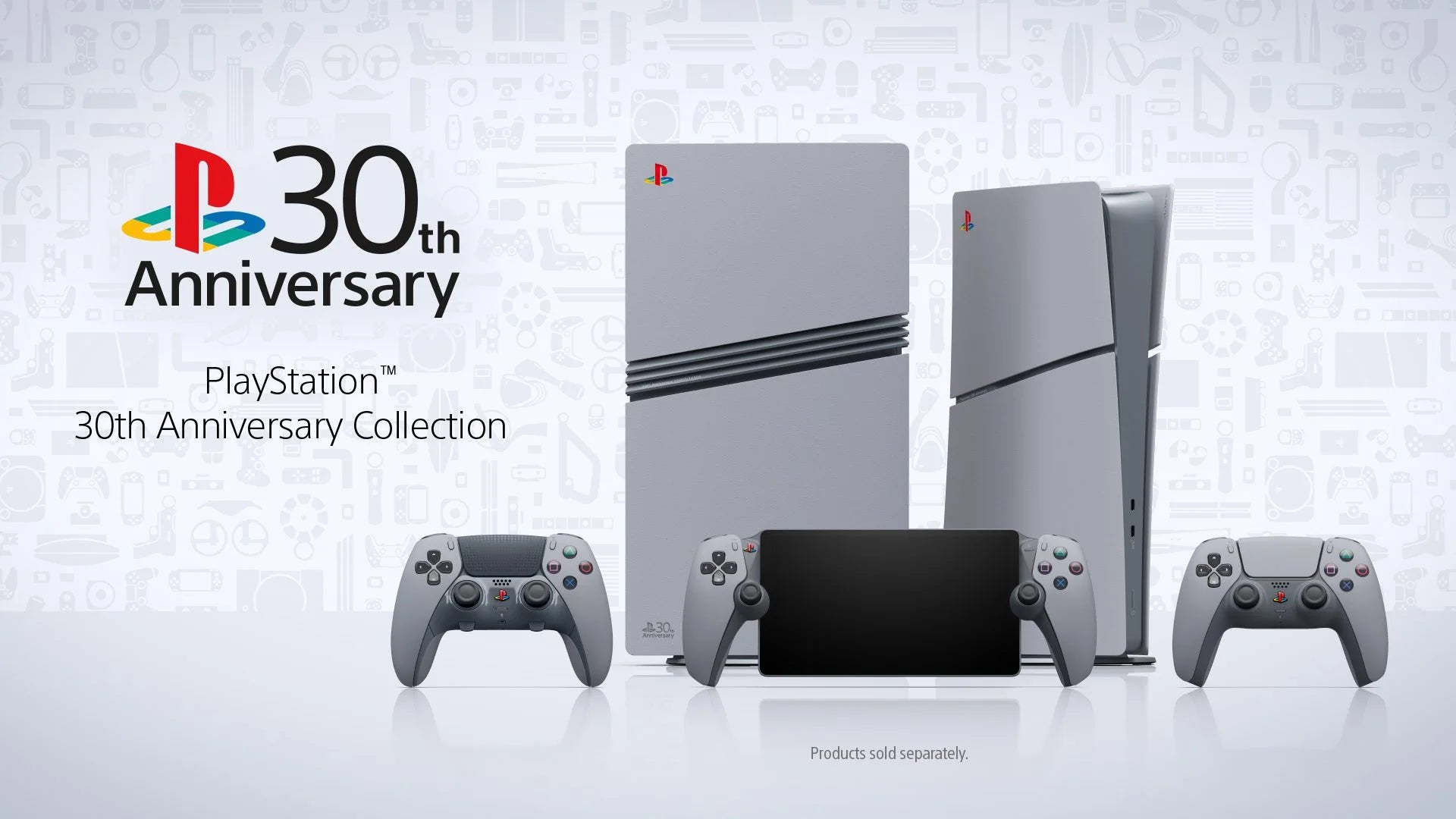
Image: Sony / Kotaku
This could suggest that the race among console manufacturers is decelerating, with future generations offering more incremental improvements. However, the PS5 Pro's PSSR technology also hints at how console makers might use AI to gain ground. Sony recently revealed a partnership with AMD called Project Amethyst to "support broad work and machine learning across a variety of devices," an initiative that could benefit other companies as well. The company is also reportedly already collaborating with AMD on the PS6.
Currently, the PS5 is not seeing a price reduction. In fact, it became more expensive this year in certain areas, including Japan. The DualSense controller also experienced a subtle price increase. A temporary Black Friday sale reduced the all-digital PS5 price to $375, just $25 less than its 2026 launch price. While the PS5 improved in 2026, it didn't become more affordable.
The Software
This year, the PS5 interface underwent a significant refresh with the introduction of a new customizable welcome hub. The default module when you power up the console now includes new backgrounds and a variety of tiles that can be replaced with various widgets, ranging from trophies and controller battery life to news about wishlisted games, console storage, and online friends. This seemingly small enhancement greatly enhances the PS5 ecosystem's usability, navigability, and engagement, potentially marking the beginning of a bold new era for the system's UI.
In 2026, several other firmware updates were introduced. Adaptive charging made the console more energy-efficient for newer PS5 models, including the Slim and Pro, and party share now allows users to send session invites directly through social media and other messaging platforms. However, there is still no straightforward method to share screenshots and gameplay footage on social media after Sony discontinued its integration with X (formerly Twitter), although the PlayStation App is gradually becoming the remote second screen for the PS5 that it ought to be.
The most significant software update of the year, however, was not for the PS5 itself but for the PlayStation Portal. This peripheral, which is not quite a gaming handheld, can now play a growing list of games directly from the cloud, eliminating the need to stream them from a home console solely as a remote play device. This shift effectively doubles the value of the $200 accessory and potentially serves as a stepping stone towards a future where a fully-fledged Sony handheld reportedly in development can also play new games natively.
The Networks and Services
Typically, this section of our annual PlayStation report card focuses almost exclusively on the services aspect, but 2026 highlighted some notable lapses in network functionality. While it pales in comparison to the infamous 2011 PSN outage, the services experienced intermittent downtime for nearly an entire day in the fall. This served as a reminder of the platform's heavy reliance on constant connectivity to fulfill its promise, from multiplayer-only games to always-online single-player campaigns. Any outage, regardless of its duration, is noteworthy in the context of Sony charging $10 a month for online play access.
PlayStation Stars, a smaller rewards initiative integrated into the PS app rather than the console itself, raised questions when it was offline for several weeks during the summer without a clear explanation from Sony regarding the service's downtime. Combined with issues related to activity cards and various high-profile firmware bugs, the usually stable PS5 platform experienced more instability than usual in 2026. However, PS Plus' Netflix-like library of downloadable games was on much firmer ground.
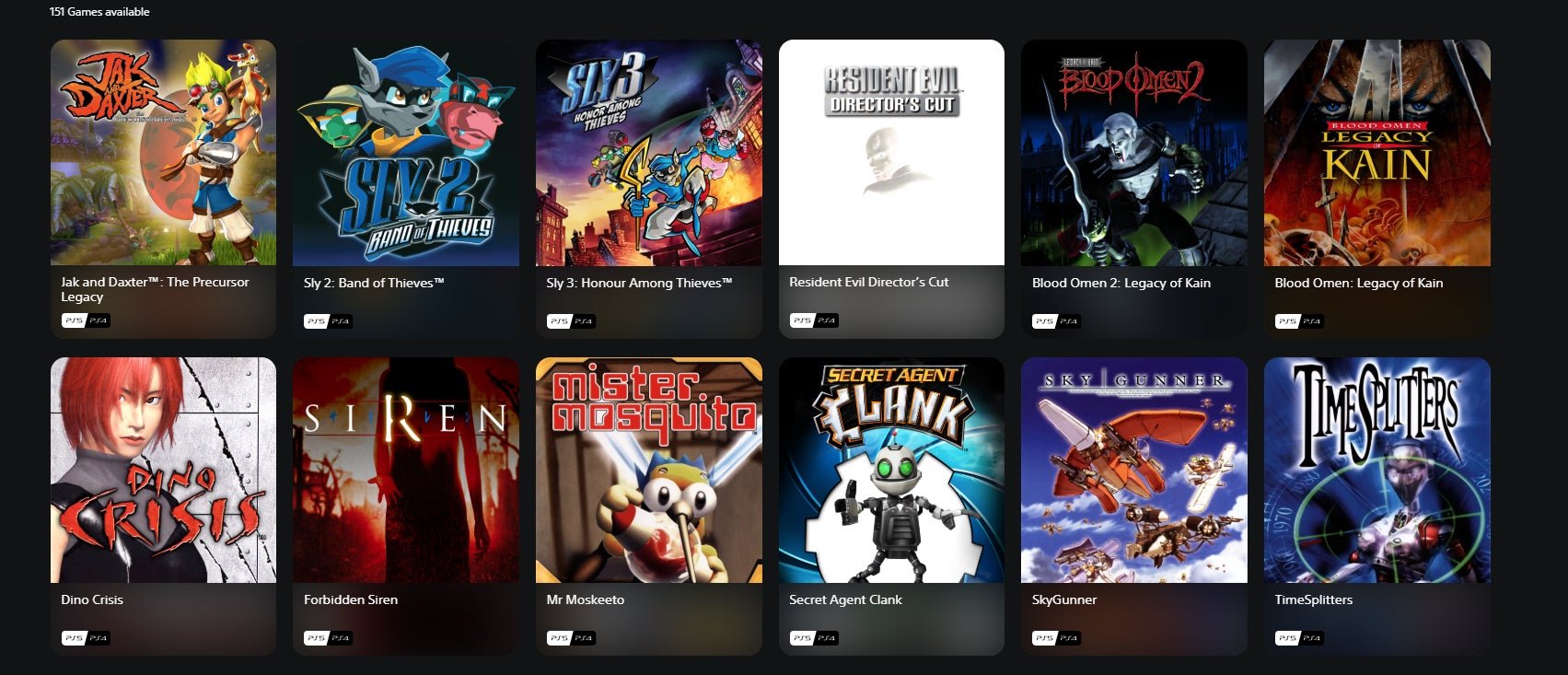
Image: Sony / Kotaku
PS Plus Premium, the most expensive of the service's three tiers at $160 per year, expanded its back catalog with the addition of several PS classics. Subscribers gained access to the Sly Cooper trilogy, the first two Legacy of Kain games, Dino Crisis, and numerous other nostalgic favorites. However, given the program's cost, there remains a need for a better alternative to access the extensive library of PS3 exclusives. Insomniac's WW2 alien shooter trilogy Resistance was also added to Premium, but only through streaming.
While the middle tier—PS Plus Extra—remains inconsistent in terms of the quality of games added or removed, the base PS Plus catalog continues to feature standout titles. In 2026, the catalog saw the inclusion of A Plague Tale: Requiem, Nobody Saves the World, Immortals of Aveum, Tunic, Sifu, Borderlands 3, Streets of Rage 4, Little Nightmares II, and the Dead Space remake, among others. However, there has been a decline in high-profile day-one PS Plus releases. Animal Well was a GOTY contender, but Foamstars and Quidditch Champions both fell short. Nonetheless, the cumulative library rivals the best offerings from Extra and provides an excellent opportunity to catch up on many of the standout games from recent years.
The Games
Sony's impressive first-party studios largely took a backseat in 2026, with two notable exceptions: Astro Bot and Concord. The former, developed by Asobo Studio, combined the whimsy and creativity once synonymous with Sony's Japan Studio with the high standards of quality and production values showcased by the company's recent big-budget blockbusters. Astro Bot was announced in May and won the best game award at The Game Awards 2026 just seven months later. It's a top-tier action platformer that demonstrates how the DualSense controller's haptic features can transform the feel of familiar gameplay. Alongside with Lego Horizon Adventures, Sony showcased a new family-friendly range beyond the grim, violent prestige games that have defined its brand in previous years.
Concord, on the other hand, was an Icarus moment for Sony's first-party live service initiative. The hero shooter from Firewalk Studios had a development budget exceeding $200 million, as sources informed Kotaku earlier this year, culminating in a competent but forgettable multiplayer experience that failed to attract players so dramatically at launch that Sony pulled the plug less than two weeks later, issuing full refunds and completely shutting down the servers. The company closed the studio it had acquired just the year before and pledged to incorporate the lessons learned from the debacle into its ongoing strategy.
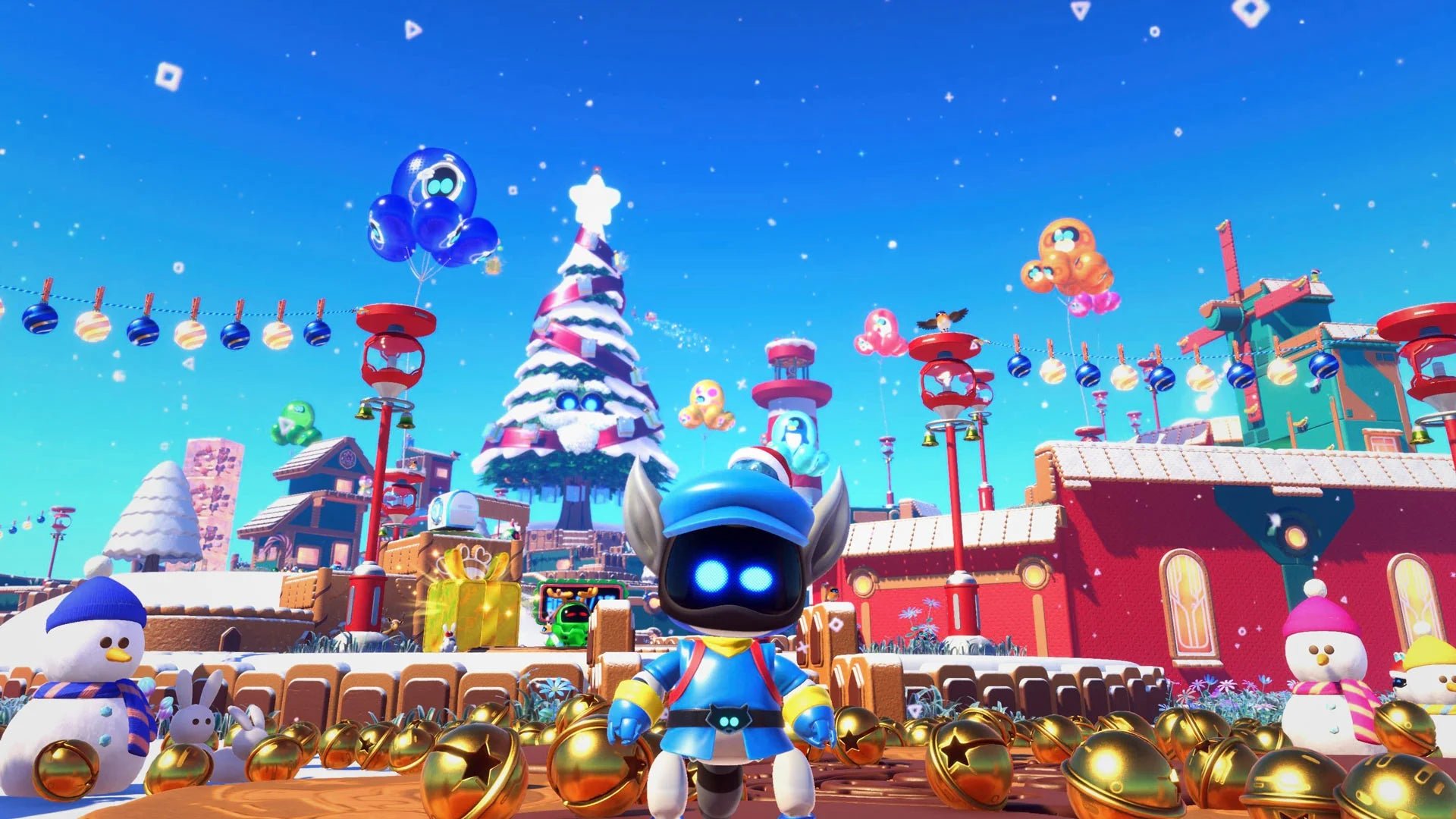
Image: Sony / Kotaku
How Sony, renowned since the middle of the PS4 generation for quality checks and proactive player feedback, failed to recognize any warning signs and instead proceeded full steam ahead speaks either to the overall challenge, complexity, and randomness of creating live-service hits or to significant blind spots within PlayStation Studios. 2026 also witnessed the closure of London's studio and mobile game maker Neon Koi, as well as the cancellation of several unannounced projects and hundreds of job cuts across various studios, including Bungie. This all occurs as the larger gaming industry grapples with high costs and delayed development timelines in an increasingly competitive release climate.
Yet where Concord faltered, Helldivers 2 excelled. Arrowhead Game Studios' squad-based, ragdoll-physics alien shooter emerged as one of the year's best-selling games, especially on PC. Despite controversies surrounding the mandatory PSN login on Steam, nerfs to popular builds and battle pass gear, and a mid-year slowdown in new content, the game delivered a captivating, evolving storyline akin to a sci-fi D&D campaign with millions of players, all while continuing to release frequent new updates. It was a game worth purchasing a PS5 for, not because it relied on the typical Sony blockbuster's mix of expensive cinematic narratives and lush production values.
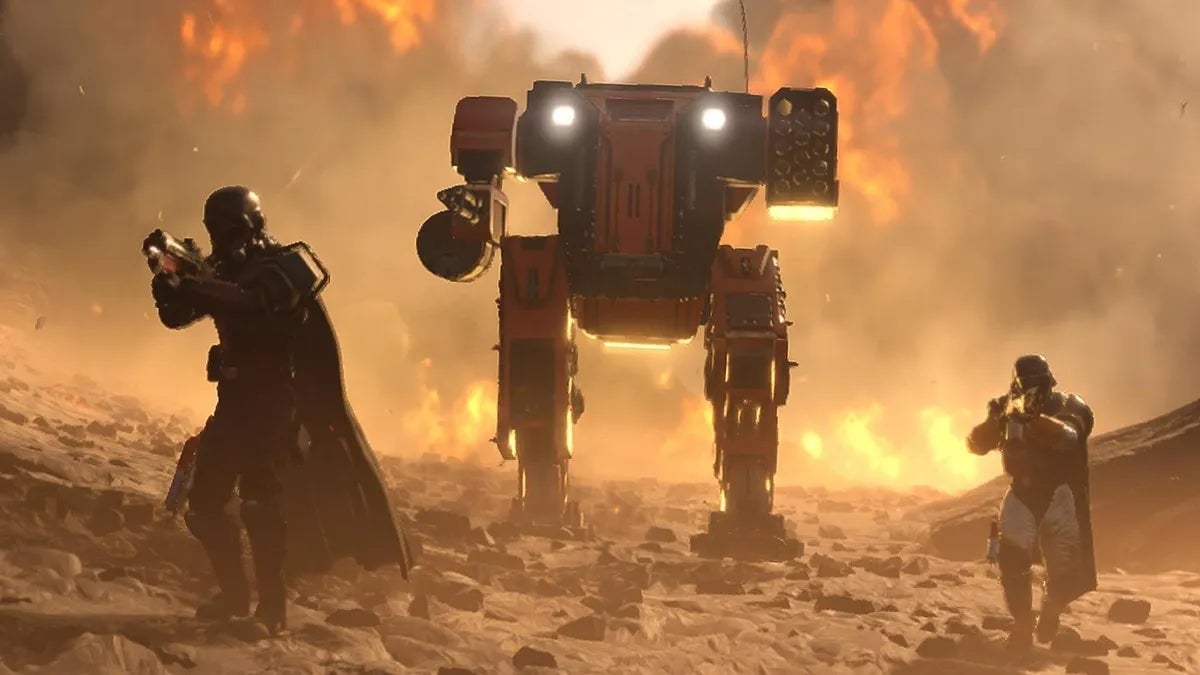
Image: Sony / Kotaku
What might have seemed like an otherwise quiet year for the PS5 was bolstered by other console exclusives both big and small, such as Granblue Fantasy: Relink, Rise of the Rōnin, Stellar Blade, Silent Hill 2, and Final Fantasy VII Rebirth. The mix of action-adventure, open world, RPG, and survival horror significantly enriched an otherwise sparse release calendar compared to the post-COVID high-water mark set by 2026. Xbox's multiplatform strategy also brought critically acclaimed hits like Hi-Fi Rush and Pentiment to the PS5, alongside multiplayer juggernaut Sea of Thieves and the open-world survival sim Grounded. The biggest 2026 game that wasn't available on PS5, Indiana Jones and the Great Circle, is still set to arrive early next year.
The PS5 may be entering the later stages of its lifecycle, but it feels like its best years are still ahead. Sucker Punch's Ghost of Tsushima 2, now titled Ghost of Yotei, was revealed earlier this year for a 2026 release, and Naughty Dog finally teased its first new, non-Last of Us project in a long time. Titled Intergalactic: The Heretic Prophet, it promises a bold new sci-fi direction for the premier PlayStation studio, possibly marking a return to its action-adventure roots. Fans are also eagerly awaiting reveals for Santa Monica's new non-God of War project, and leaks suggest Bend Studio will offer Sony's next daring experiment in live-service gaming. Additionally, a multiplayer Horizon Zero Dawn game could arrive as early as next year, and Insomniac's Wolverine has been under wraps for some time.
Sony recently committed to releasing at least one new single-player blockbuster every year. While 2026 didn't have one, it still turned out to be an excellent year for the platform.