

The Nintendo Switch is nearing the end of its journey. While it may not be fading away quietly, it's certainly running on empty. The release schedule for 2026 was sparse, and even the few notable games that did make their way to the hybrid console struggled with the aging technology, which is now almost eight years old. Interestingly, that's nearly the same time span between the launches of the SNES and the PlayStation 2.
Nintendo has managed to keep the Switch barely afloat as we move into 2026, but this year felt akin to waiting at the DMV, hoping for a glimpse of the Switch 2, only to have the office close right as you reach the front. While the industry looked forward, Nintendo remained fixated on the current Switch, even waging a relentless battle against Switch emulation enthusiasts and ROM pirates to prevent the platform from becoming a hacker's haven.
The most notable aspect of 2026 was more about what didn't happen than what did. No announcements about the Switch 2, except for the promise of a reveal in the coming months and backward compatibility with the existing model. There were no major Mario or Zelda games; instead, we got two enjoyable yet imperfect spin-offs. The Switch itself saw no significant changes, as evidenced by the laggy mess that the eShop remains. Even the $300 handheld gaming device from 2017 didn't see a price cut.
Instead, 2026 for the Switch was best spent enjoying the top indie releases, most of which found a home on the console. It was also a good time to delve further into The Legend of Zelda: Tears of the Kingdom, which, even after nearly two years, remains the system's most ambitious and expansive achievement. Anyone buying a Switch for the first time this holiday season, ahead of the Switch 2 announcement, might seem unfortunate, if not for the fact that Nintendo's current console still boasts one of the best game libraries in gaming history.
The Hardware
What more is there to say about the Nintendo Switch? Its promise of gaming on the go or on a big screen remains as enticing as ever, though its ability to deliver a smooth gaming experience has diminished over time. The gap in performance between even mid-range games on the Switch compared to platforms like PS5, Xbox Series X/S, and PC has widened. Issues like framerate drops, visual quality, and loading times have worsened, while competitors like the Steam Deck and Asus Rog Ally offer fewer compromises for a slightly higher price, especially with third-party and indie titles.
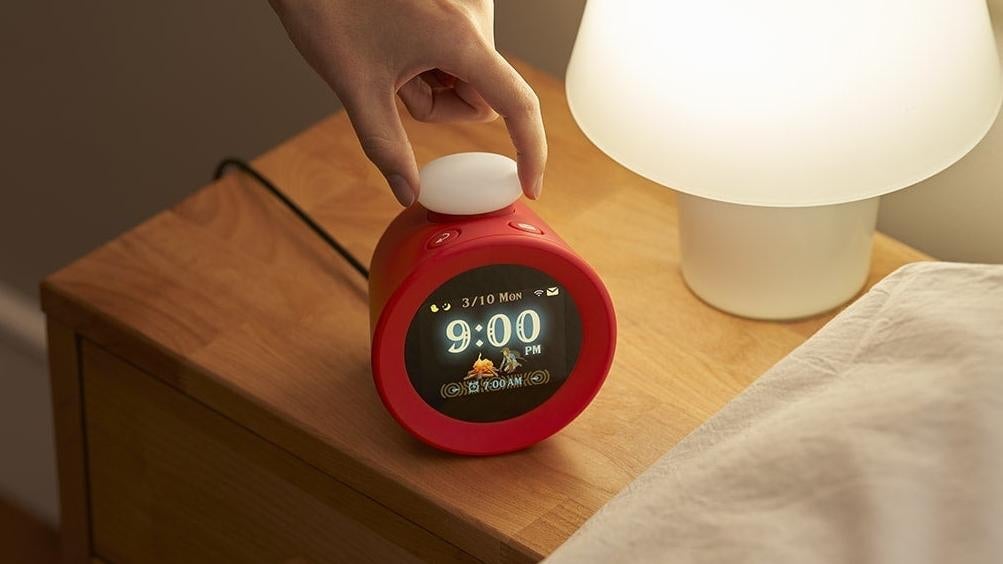
Image: Nintendo
And what about the Switch 2? Nintendo's much-anticipated successor remains under wraps, but if ongoing leaks are to be believed, it seems to be more of a straightforward upgrade to the current hardware than Nintendo has done in a while. Any potential gimmicks, like magnetized Joy-Con that stick to the screen's sides instead of sliding on, don't appear to be the main selling point of the new console. It might even be called the Nintendo Switch 2
While this section should focus on the current Switch, it's hard not to look ahead, as most of 2026 for current Switch owners felt like peeking behind a red curtain, growing impatient and frustrated with what's already in hand. As for Nintendo's actual announcements this year, there was a clock called Alarmo that uses motion sensors to entertain users with video game music. Reviewers previewed it early, but the actual product won't ship until early 2026. Fans did receive a gold, Zelda-themed Switch Lite this year, arguably the best-looking special edition yet.
The Software
Though the Switch hardware is hanging by a thread, the UI, interface, and general navigation of the home screen, eShop, and app-only features have become increasingly bleak. It's slow, poorly optimized, and cluttered. The sleek central row of tiles hides a lack of customization options or quick access to meaningful information about your system, games, or the broader Nintendo ecosystem.
The eShop is a particular point of frustration. A sigh escapes me every time I open the store to buy a game, check sales, or see new releases. It feels like a marathon just to start the store, and even longer for individual sections to load. Navigating the shop is just the beginning of the headaches, with shovelware and cheap game knock-offs filling the catalog as you scroll. It's not ideal, and Nintendo has been largely unresponsive to legitimate concerns. It's a troubling sign for how the digital purchasing experience may or may not change with the Switch 2.
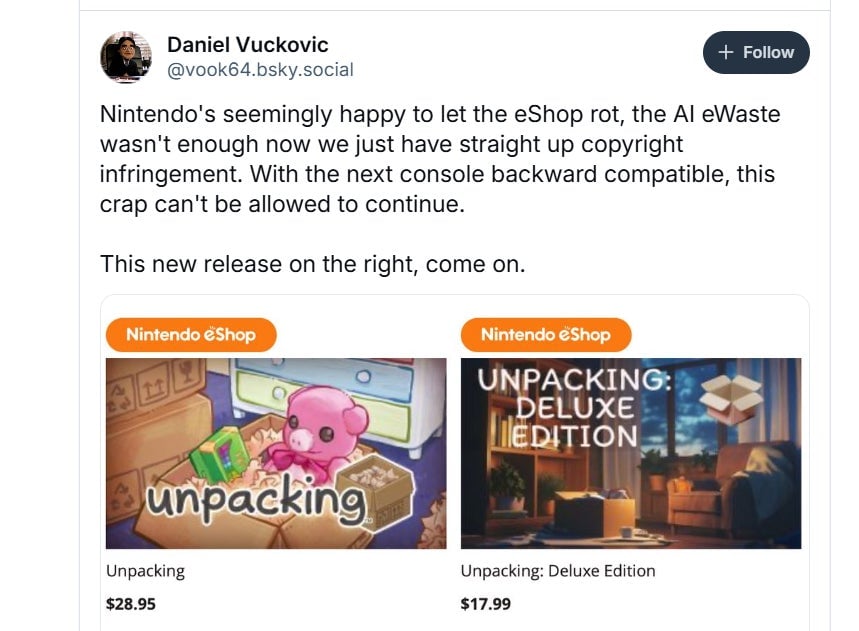
Screenshot: Daniel Vuckovic / Kotaku
The current console did receive a minor update in 2026, but it primarily aimed at fixing an existing bug. October's firmware update 19.0.1 ensured that games would continue to download in sleep mode, a significant benefit for players buying games at midnight and finding them unfinished in the morning, and an indicator of how much Nintendo's focus has shifted beyond the current system.
Rather than upgrading the current system, Nintendo spent much of 2026 aggressively pursuing legal action against those enabling Switch game emulation elsewhere. It reached a settlement with the creators of Yuzu, a popular emulator on competing PC gaming handhelds like the Steam Deck, leading them to abandon the software. A similar fate befell another Switch emulator, Ryujinx. Nintendo took legal action against individuals accused of pirating games or even streaming them. It pressured Github to remove backups and targeted Switch Reddit groups. Some actions might have been a response to claims of one million copies of Tears of the Kingdom being pirated at launch. This crackdown could also be an effort to secure things before the Switch 2's launch and avoid a repeat of how quickly homebrew enthusiasts cracked its predecessor.
Network & Services
Nintendo Switch Online has continued to grow. The lineup of Game Boy Advance classics added throughout 2026 included Golden Sun 1 and 2, F-Zero: Maximum Velocity, The Legend of Zelda: A Link to the Past and Four Swords, and Metroid Zero Mission. Mother 3 even joined the service, though only in Japan. An eclectic mix of retro games also joined the catalog, from Super R-Type on SNES to Vectorman on Sega Genesis. Xbox Game Studios added titles like Killer Instinct and Perfect Dark. The original Game Boy library saw additions like Mega Man and Donkey Kong Country games.
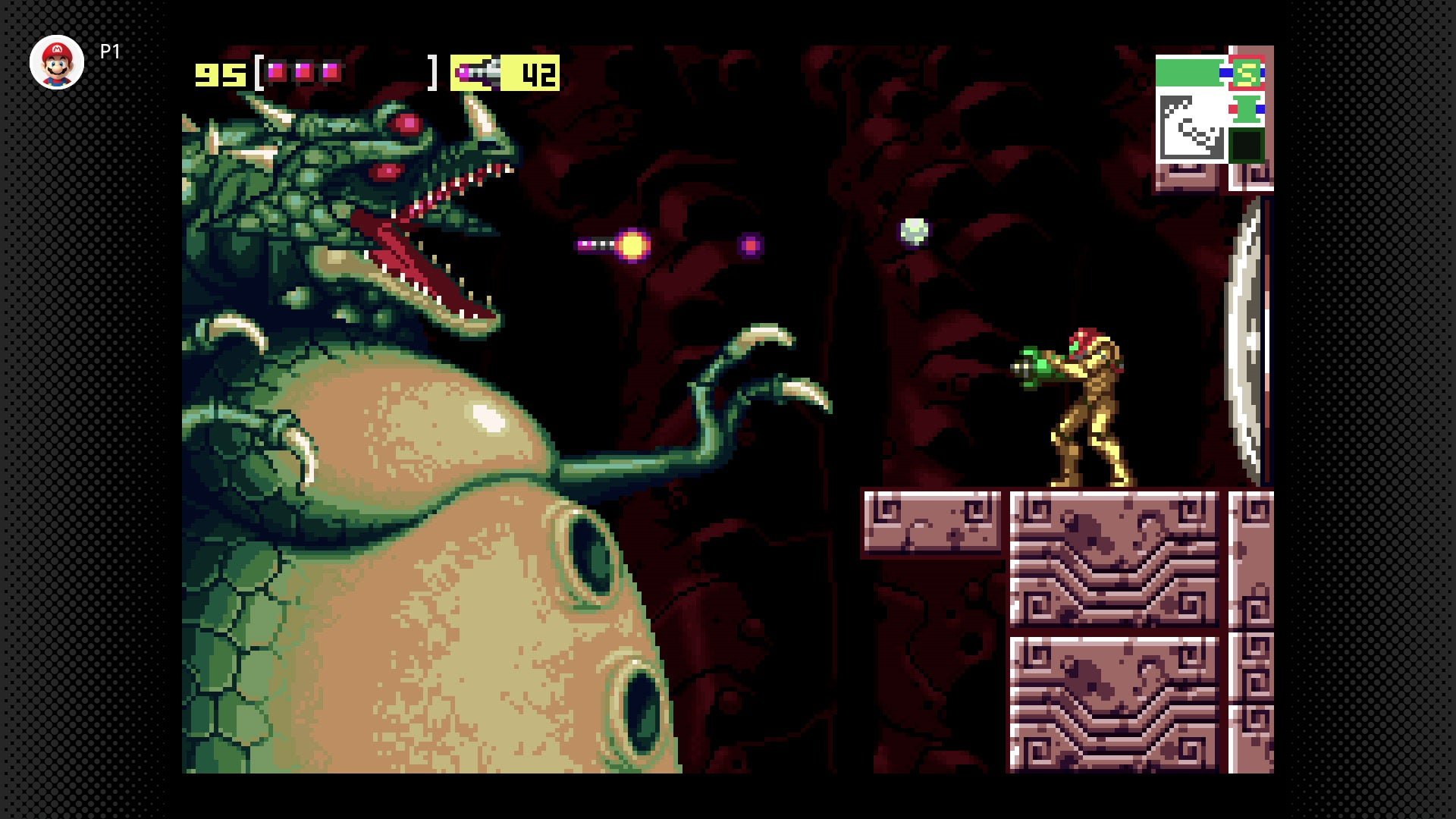
Image: Nintendo
It's a compelling offering across both the $20-a-year base service and the $50-a-year Expansion Pack add-on, though the actual value remains debatable. A major draw of the Expansion Pack was access to new DLCs like additional Mario Kart 8 Deluxe courses, but with a slowdown in Nintendo first-party releases and quick abandonment of online multiplayer games, that perk has diminished. It's also a significant downside that Nintendo's retro offerings can't be purchased separately, unlike Sony's PlayStation Classics. It's 2026, and fans still pay $50 annually to rent The Legend of Zelda: Ocarina of Time on a Nintendo 64 emulator.
The most significant addition to Switch Online this year wasn't a game. It was a Nintendo Music streaming service that allows fans to play game soundtracks from their phones, like Donkey Kong Country 2's mysterious Bramble Blast and the chiptune title music for the original Metroid on the NES. If only fans could purchase and download that music DRM-free. Additionally, Nintendo used Switch Online to launch a playtest for a secret project that seems like a blend of an MMO and Minecraft. The service also offered week-long free trials of various eShop games like Cursed Golf and Vampire Survivors. Switch Online has more value than ever, but still lacks the one thing its competitors offer: access to a Netflix-like library of new games.
The Games
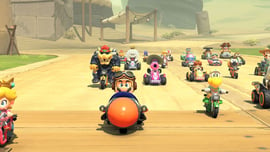
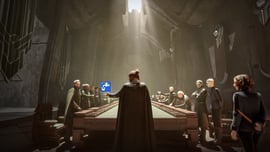
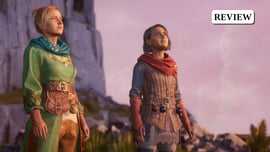
Nintendo excels at making an off year feel packed with big games. The Switch's 2026 lineup was a mix of remakes and smaller spin-offs bolstered by a strong year for indie games. The first half of the year featured Mario vs. Donkey Kong, Princess Peach: Showtime!, and Paper Mario: The Thousand-Year Door. It concluded with The Legend of Zelda: Echoes of Wisdom, Super Mario Party Jamboree, and Mario & Luigi: Brothership.
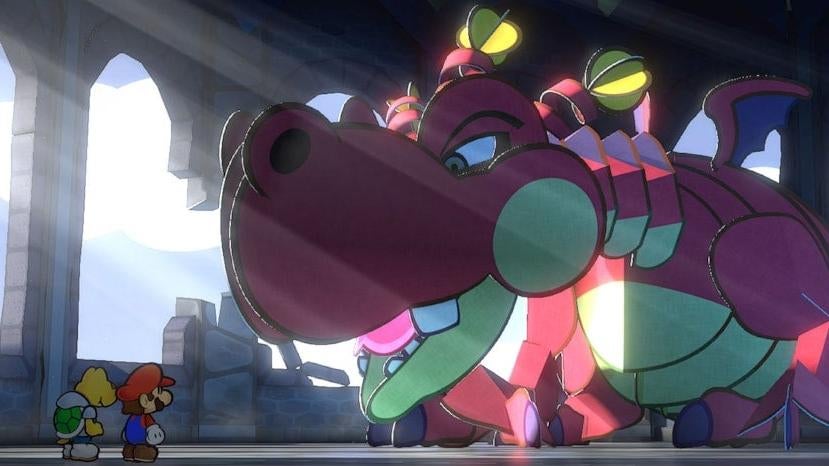
Image: Nintendo
While 2026 had its share of releases, it felt like a year where Nintendo rested its top players. Echoes of Wisdom explored intriguing and innovative concepts but fell just short of brilliance. Mario & Luigi: Brothership was a great RPG-lite sequel that didn't quite revolutionize the series like other Switch games have for their franchises. The standout game Nintendo released on the Switch in 2026 was arguably Paper Mario: The Thousand-Year Door, a remake of a two-decade-old GameCube title that, in another scenario, might have come to the platform without the HD upgrade simply through the Switch Online back catalog.
Fortunately, the Switch also enjoyed another stellar year for indie releases to fill the gaps. Some of 2026's top games—Balatro, 1000xResist, Lorelei and the Laser Eyes, Animal Well, Arco, Botany Manor, Thank Goodness You're Here, and Neva—all arrived promptly, even if their ports to other consoles were delayed. Microsoft's multiplatform initiative also brought the Switch Pentiment, the excellent Renaissance-era murder mystery RPG, while some third-party GOTY contenders like Unicorn Overlord and Prince of Persia: The Lost Crown were available day-and-date.
The Switch's 2026 library didn't reach the heights of previous years, but there was still plenty to play, an impressive feat for a console that arguably should have been replaced long ago. And there's more on the horizon. Ports of Donkey Kong Country Returns and Xenoblade Chronicles X are set to arrive early in 2026. Metroid Prime 4, announced long ago, is still expected on the platform, as is Pokémon Legends: Z-A, the next game in the popular franchise after a year without new Pokémon titles. Nintendo is clearly reserving its best for the Switch 2 launch. In that context, a quiet year for the current Switch still turned out much better than expected.