


Table of Contents
Guillermo Del Toro (Deadman) – Blade II [2002]
Nicolas Winding Refn (Heartman) – Bronson [2008]
Fatih Akin (Dollman) – In The Fade [2017]
George Miller (Tarman) – Three Thousand Years of Longing [2026]
Mike Flanagan (Mike Northcote) – The Life of Chuck (2026)
Danny and Michael Philippou (Mr. Impossible) – Talk To Me [2026]
S.S. Rajamouli (The Adventurer) – RRR [2026]
Yusaku Matsumoto (The Architect) – Winny [2026]
Kevin Ko (The Ghost Hunter) – Incantation [2026]
Mamoru Oshii (The Pizza Chef) – Ghost In The Shell [1995] / Ghost In The Shell: Innocence [2004]
It may come as a surprise to some, but Hideo Kojima has a profound passion for films. An immense passion. For those few who might not have been closely following Kojima's nearly four-decade-long career in the gaming industry, even during the Metal Gear / Snatcher days, he drew direct inspiration from iconic films like The Terminator, Blade Runner, and Escape from New York long before it became mainstream. Fast forward to 2026, and Kojima has fulfilled numerous cinematic dreams, including meeting some of the world's best filmmakers and featuring their likenesses in his imaginative games centered on themes of mortality and societal breakdown.
Read More: Kojima On Whether Or Not He’ll Play Metal Gear Solid 3 Remake: Lol, Nope
The presence of renowned film talent was a significant element in the first Death Stranding, and it is even more pronounced in Death Stranding 2. Amazingly, many of these filmmakers agree to participate in Kojima's projects. Truly, game recognizes game. Kojima stands as one of the rare game developers who can justifiably be labeled an auteur—defined as a creator whose vision shapes a project, not someone who does all the work single-handedly; this distinction is crucial. The directors invited for cameos in the Death Stranding series share a similar creative bent in their work.
In an era teeming with games and films lacking clear artistic direction, acknowledging the filmmakers Kojima holds in such high regard is essential. TL;DR: Kojima possesses exquisite taste in cinema, a fact that is even more evident in the second installment of the game. Once Sam Porter-Bridges completes his final delivery in Death Stranding 2, it would be a disservice to yourself and to Kojima not to delve into the cinematic rabbit hole he proudly showcases. Here is a guide to the real-world film directors featured in Death Stranding 2 and the key films from their portfolios you should explore.
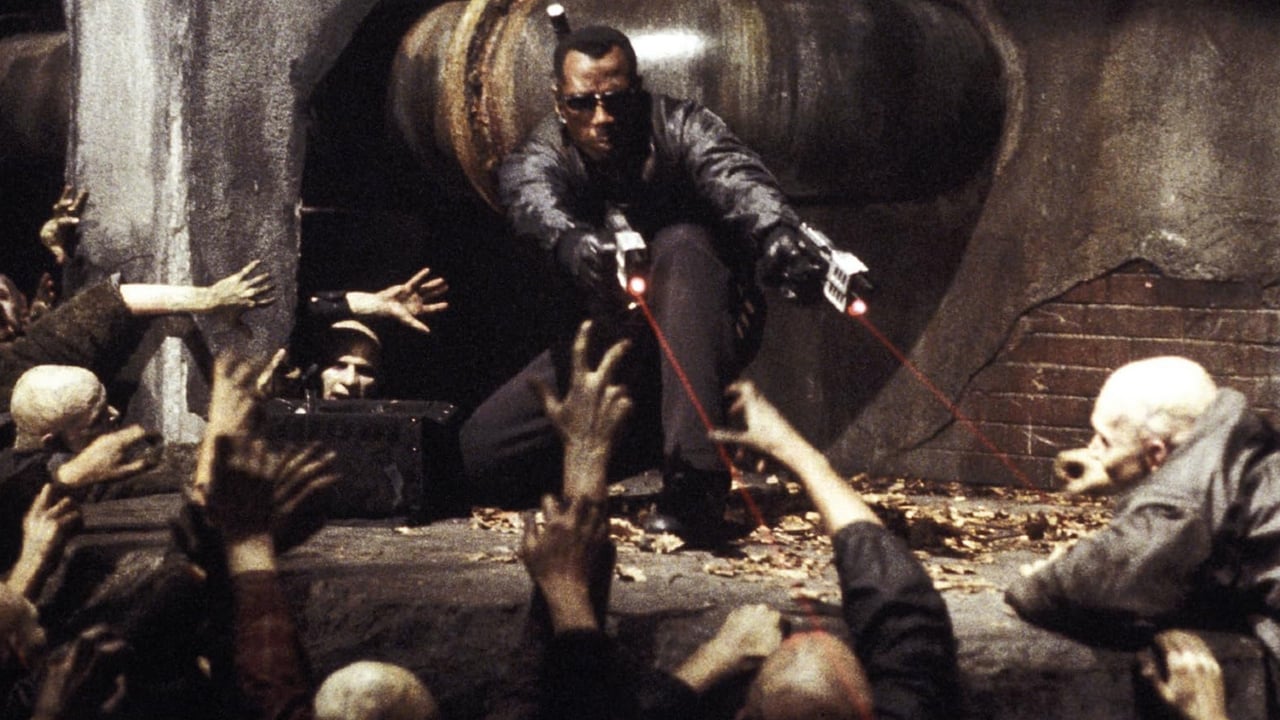
Guillermo Del Toro (Deadman) – Blade II [2002]
© 2002 New Line Cinema
Del Toro is perhaps the most renowned and cherished filmmaker within the Death Stranding universe, making it almost unnecessary to mention that yes, you should definitely watch the extraordinary film where the mother from Paddington falls in love with a fish man, winning the Best Picture Oscar for the unique and captivating The Shape of Water (2017). This also applies to Pan’s Labyrinth, a film whose visuals have been emulated countless times in both games and movies (but it's worth a re-watch regardless).
For a late summer blockbuster experience, treat yourself to Blade II. Firstly, because it's uncertain when we'll see the Daywalker in theaters again (Deadpool & Wolverine is not the same, and you know it). Secondly, because you get an extra Death Stranding connection with Norman Reedus portraying Scud, Blade’s temporary tech support before Whistler returns. Thirdly, because it's simply amazing. It's an ideal, intense sequel to one of the coolest action films of the modern era, elevated by Del Toro's addition of genuinely disturbing horror elements. Before Robert Eggers’ Nosferatu last year, Blade II's Reapers represented the last instance when vampires weren't just fascinating or tragic or alluring, but truly horrifying. Watch it repeatedly, and the iconic reveal of a Reaper’s mouth will remain an unforgettable, spine-chilling moment.
Honorable Mention: The Devil’s Backbone [2001]
If you're seeking something more sophisticated, The Devil’s Backbone is a hidden gem in Del Toro's filmography that deserves more attention. Consider watching it in October as the spooky season gets underway; it offers a unique take on a ghost story without resorting to the facial stabbings seen in Crimson Peak. Not that there’s anything wrong with Crimson Peak's many, many facial stabbings.
Nicolas Winding Refn (Heartman) – Bronson [2008]
© Vertigo Films
Returning from the first Death Stranding, Refn represents an intriguing introduction to understanding how arthouse cinema diverges from mainstream multiplex offerings. On the surface, he operates within familiar genres. If you've seen any of Refn’s films, it's likely Drive with Ryan Gosling, which is an ideal example. You might pitch it to friends as a slow-burn action thriller/crime drama, but in reality, it’s an unconventional, introspective deconstruction of the archetypal action hero; you either resonate with its wavelength or you don’t. Or perhaps you’re someone who has adopted Gosling’s jacket as a personality trait and could benefit from some introspection. The point is, Refn’s films defy expectations.
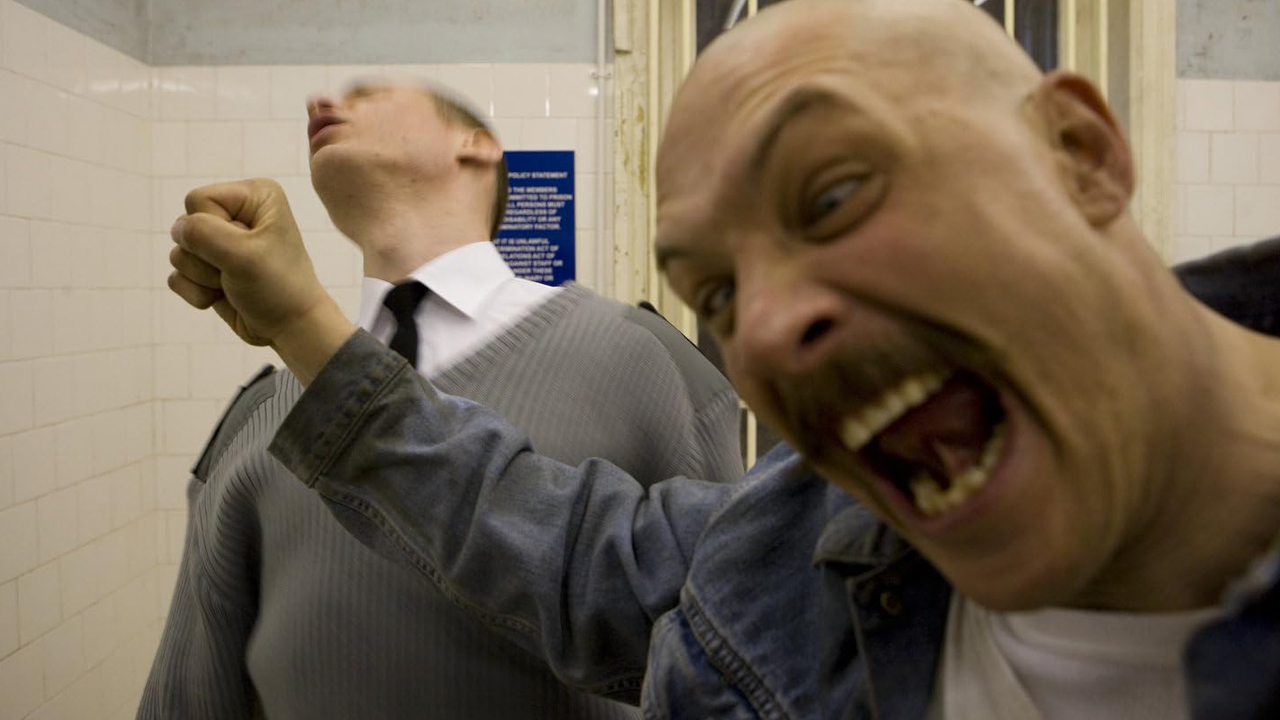
However, Bronson doesn’t disguise its intentions: it’s a visceral journey through the life of Charles Bronson, one of the most destructively notorious individuals to pass through the British prison system. The film is delirious, punch-drunk, and vicious, capturing the essence of its subject. This role marked Tom Hardy’s breakout, undoubtedly leading to his casting as Bane in Dark Knight Rises. It’s a haunting portrayal of an articulate psychopath.
Honorable Mentions: Only God Forgives [2013] / My Life Directed By Nicolas Winding Refn [2014]
Only God Forgives is a mixed experience, to put it kindly. It’s Refn’s attempt to deconstruct Asian crime epics, akin to what he did for American gangster films with Drive, but with less success beyond the visuals and brief action. It’s like watching The Raid 2 on sedatives.
Nevertheless, it’s worth watching to provide context for the far more intriguing My Life Directed By Nicolas Winding Refn. This one-hour documentary, directed by Refn’s wife, Liv Corfixen, focuses less on the day-to-day filmmaking process and more on Corfixen’s life upheaval as she moves herself and their two children to Bangkok for six months to support her husband’s manic-depressive tendencies and his polarizing film. It’s a compelling angle. Plus, there's a solid reason to check it out: Death Stranding 2 is a family affair for Refn. Corfixen plays The Hydrologist, and their daughters Lizzie and Lola portray The Chronobiologist and The Metagenomicist, respectively.
Fatih Akin (Dollman) – In The Fade [2017]
© Warner Bros. Pictures
Beyond Fatih Akin’s exceptional directing skills and his remarkable command over tone—his use of tense silence surpasses some directors’ orchestral efforts—Akin offers a cultural perspective as a German-born Turk that is rarely seen in Western media. This makes him a unique talent, even before considering his infectious enthusiasm for life and art in interviews. On a side note, I highly recommend this Cannes interview with Kojima and Akin, where they discuss their artistic philosophies. Kojima’s decision to make Dollman a key part of Sam’s journey was brilliant, enriching the entire game (though I’m aware the Tranq Sniper Rifle lacks a suppressor, thanks for reminding me).
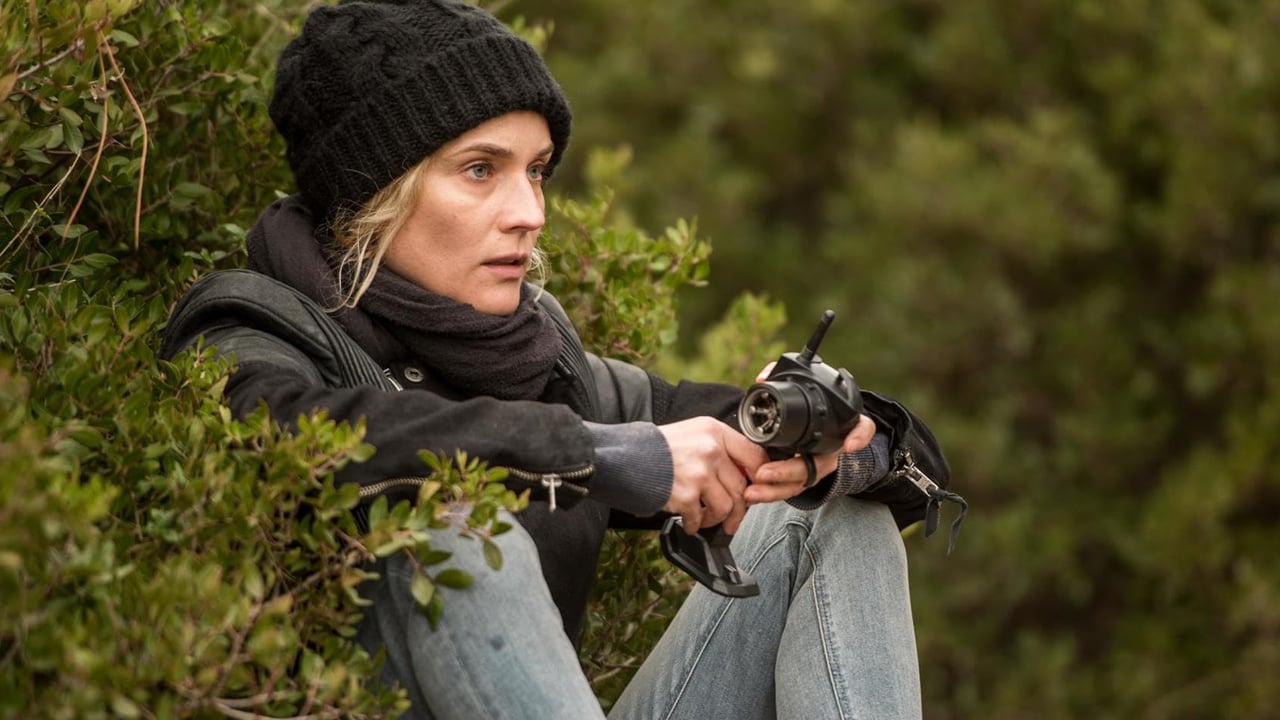
For those new to Akin’s work, In The Fade is a compelling starting point: it’s Akin’s most accessible film (currently on HBO Max) and tragically relevant. A reformed drug addict named Katja (Diane Kruger, fun fact, married to Norman Reedus in real life) marries a reformed Turkish ex-con named Nuri (Numan Acar). When Neo-Nazis detonate a nail bomb outside Nuri’s workplace, killing him and their young son solely for being immigrants, Katja’s life unravels, and Germany’s justice system offers little help, prompting her to seek justice herself. It’s a difficult watch, but once you’re engaged, it’s impossible to look away.
Honorable Mention: Head-On [2004]
After In The Fade, if you desire another intense narrative, Head-On is an excellent choice. A Turkish woman (Game of Thrones’ Sibel Kekilli) encounters a suicidal, aging punk named Cahit (Birol Ünel) at a mental health facility and, desperate to escape her traditional Turkish family, proposes marriage on the spot. The outcome is as chaotic as expected. Despite the rom-com setup, complete with a Greek chorus of Turkish musicians, it is as fatalistic and grim as it is humorous and hopelessly romantic.
George Miller (Tarman) – Three Thousand Years of Longing [2026]
© Metro-Goldwyn-Mayer Pictures
If you first heard of George Miller through Mad Max: Fury Road, you're in for a revelation with “Holy Shit, The Guy Who Made Fury Road Directed THAT?!” Miller's career is remarkably diverse, spanning the Mad Max saga, beloved children’s films like Babe and Happy Feet, and emotional dramas like Lorenzo’s Oil. I could easily recommend Furiosa because it deserves more recognition, especially for Chris Hemsworth's wild performance. However, you’re not getting off that easy. Furiosa not making a splash is nothing compared to the exquisite Three Thousand Years of Longing being left to languish by Amazon.
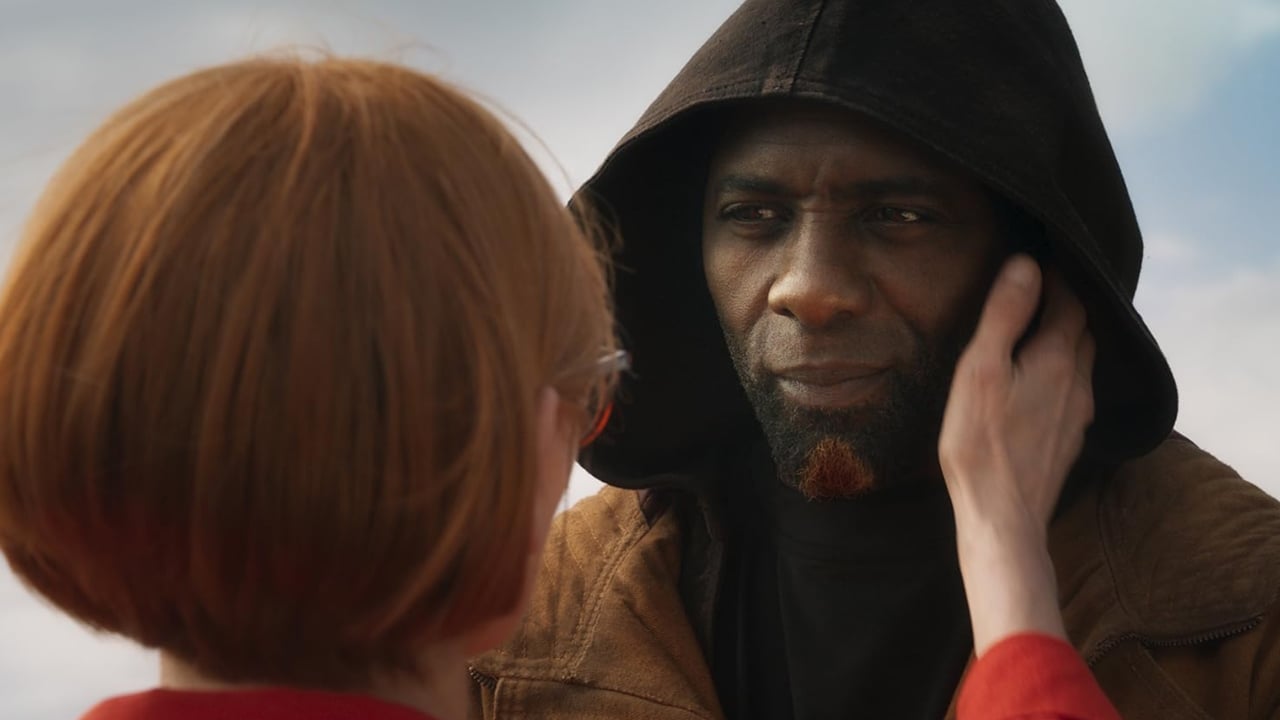
To be fair, it’s unclear how much more money could have been earned by not marketing a romantic fantasy from the Mad Max director about Tilda Swinton finding a genie in a bottle, but living such a fulfilling life that she refuses to make a wish. Surely, many would have paid to hear Idris Elba try to persuade her with enchanting tales of love, desire, greed, and power gone awry throughout time, especially when these stories are as beautifully directed as they are and culminate in a modern love story unlike any other. It’s a $60 million film that looks like it cost $300 million, with one of the most achingly beautiful scores in recent years by Junkie XL. If nothing else, come to develop a craving for those pistachio cookies Tilda and Idris enjoy in their hotel room throughout the film.
Honorable Mention: The Witches of Eastwick [1987]
If that sounds too sentimental, consider the time The Guy Who Made Fury Road directed a romantic horror comedy about three witches (Susan Sarandon, Michelle Pfeiffer, and Cher) in a polyamorous relationship with Satan (Jack Nicholson). Remarkably, John Williams scored it. If that premise doesn’t intrigue you, I’m not sure what will.
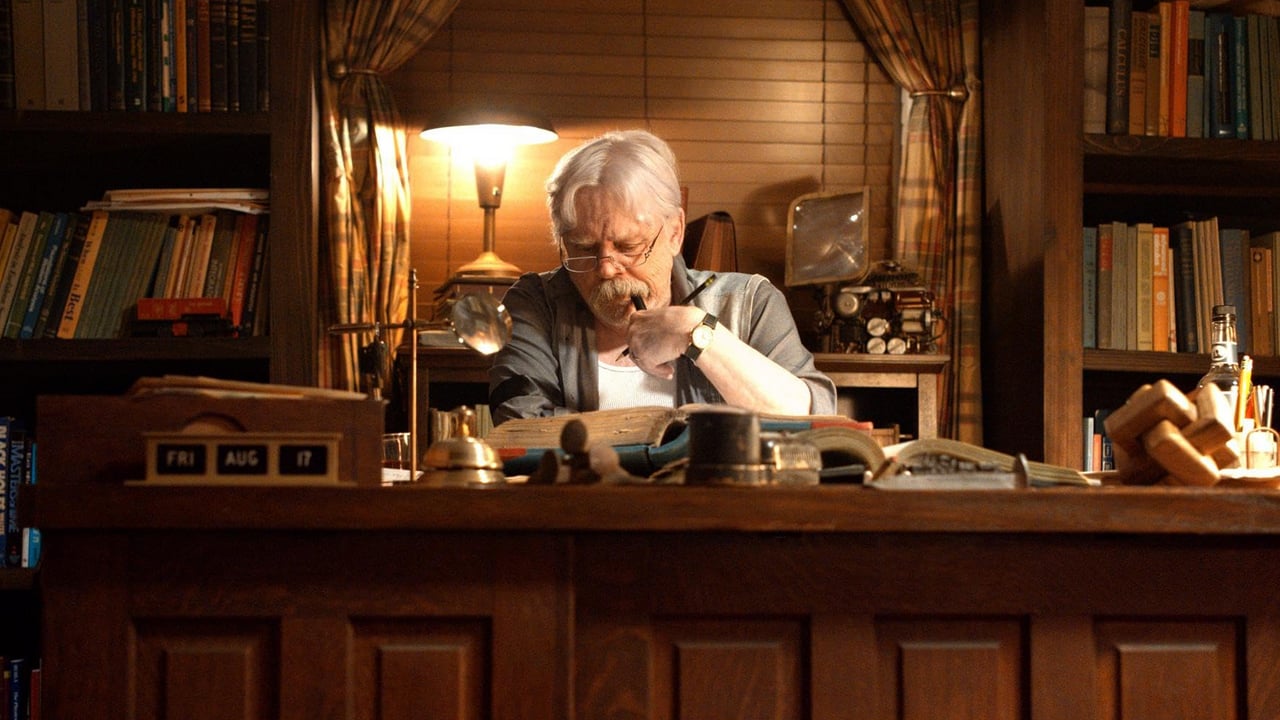
Mike Flanagan (Mike Northcote) – The Life of Chuck (2026)
© Intrepid Pictures
Mike Flanagan may be the best thing to happen to Stephen King. Flanagan adeptly distills King’s work, extracting problematic elements while amplifying the profound poetry and dark insight present even in King’s weaker works. This is not to mention Flanagan’s own creations like Haunting of Hill House, the remarkable adaptation of Edgar Allen Poe’s Fall of the House of Usher, and Midnight Mass (ironically, a superior Salem’s Lot remake to last year’s lackluster version).
It’s frustrating that Flanagan finally broke free from Netflix to release a new King adaptation in theaters only for it to have zero impact. Not even a whisper. What’s more frustrating is that Life of Chuck is easily one of the year’s best films, if not one of the most moving and heartfelt in recent memory at a time when such stories are desperately needed. It lacks a linear narrative, or even a reverse chronological one, instead presenting seemingly disconnected vignettes from the life of a man named Chuck (portrayed at various ages by Cody Flanagan, Benjamin Pajak, Jacob Tremblay, and Tom Hiddleston), spiraling from the haunting moment Chuck learns supernaturally exactly how and when he will die.